

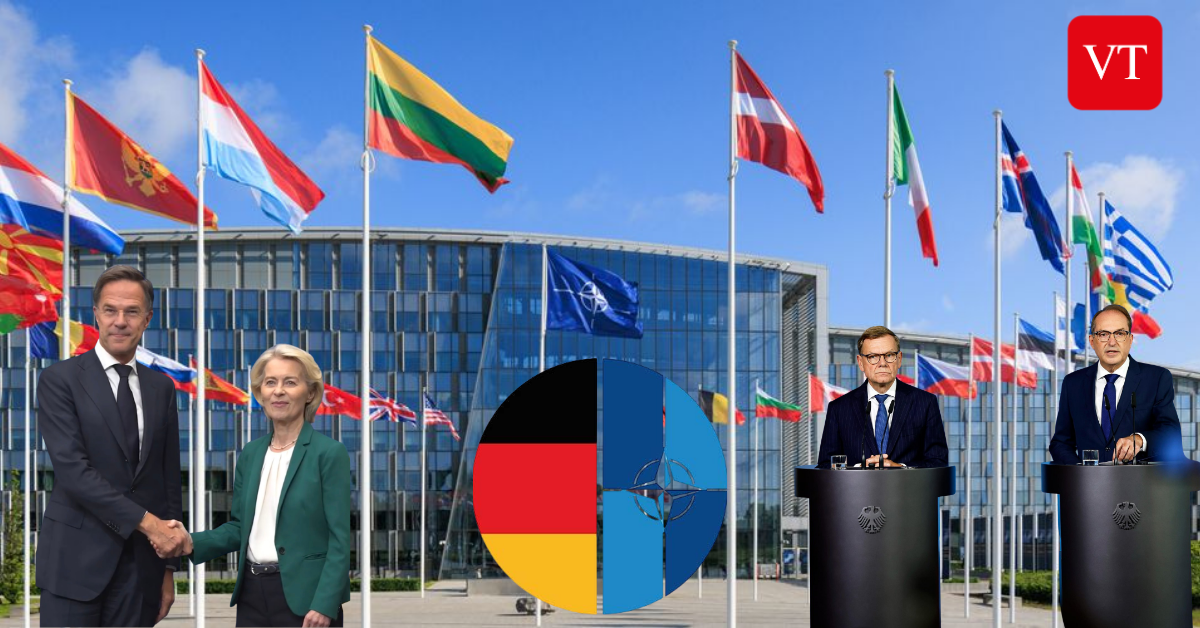
Germany has attributed what it called an Aug. 4 “hybrid drone attack” at Leipzig Airport to Russia and announced measures in response, prompting allied support and objections from Moscow.
On Tuesday, Germany’s mission to NATO said the incident was part of a wider pattern of Russian hybrid activity in Germany and Europe, including sabotage, espionage and disinformation. The mission called close allied coordination, support for Ukraine and stronger defense capabilities essential to collective security.
The post did not disclose the evidence behind the attribution. The supplied materials do not independently establish who operated the drones.
Russian Security Council Deputy Chairman Dmitry Medvedev called Berlin’s allegation unproven and described the incident as fabricated, TASS reported. He also accused European leaders of sponsoring terrorism by Kyiv and said Ukrainian threats against Russian civil aviation amounted to state terrorism backed by Europe.
Russia’s Foreign Ministry summoned German Chargé d’Affaires Bernd Finke on Sept. 2 over what it called Germany’s “anti-Russian actions and statements,” according to a separate report from TASS.
That report said Germany had decided to close the Russian Consulate General in Bonn on Sept. 18, terminate the agreement governing the Russian House in Berlin and tighten entry controls for Russian citizens. Other supplied statements referred to German measures but did not give those specifics.
In the same report, Russian Deputy Foreign Minister Alexander Grushko said Germany had chosen a path of escalation that left open further diplomatic decisions. He made the comment when asked about a possible downgrade in relations.
NATO Secretary General Rutte said he had spoken with German Chancellor Friedrich Merz and described the evidence as clear. Rutte welcomed Germany’s measures and said NATO would strengthen its defenses against similar actions.
Rutte also said efforts by Russia to intimidate alliance members, weaken their unity and undermine support for Ukraine would fail. He reaffirmed NATO’s commitment to Ukraine and collective defense.
Ursula von der Leyen said she had also spoken with Merz and assured him of the European Union’s solidarity. She said the issue, including additional sanctions, would be prepared by foreign ministers at an upcoming meeting under the Irish Presidency.
Von der Leyen said she planned to discuss the matter with Rutte the following day. She accused Russia of trying to spread distrust and fear and said the EU would continue supporting Ukraine.
On Wednesday, the U.S. ambassador to NATO expressed solidarity with Germany and other allies and reaffirmed Washington’s commitment to NATO’s collective defense. The ambassador called for allies to increase their capabilities, but the post did not name Russia or mention Leipzig directly.
Volodymyr Zelenskyy said Merz had briefed him on Germany’s response and that Ukraine had offered expertise, experience and other assistance. Zelenskyy called the incident another Russian escalation.
He said German and Ukrainian teams were finalizing a “Drone Deal” intended to give both countries additional defense capabilities. The leaders discussed when to sign it and agreed to meet in person.
Zelenskyy also said Germany would provide Ukraine with new air defense packages this month.
Have something to promote?
Bring your business, services or event to our readers.