

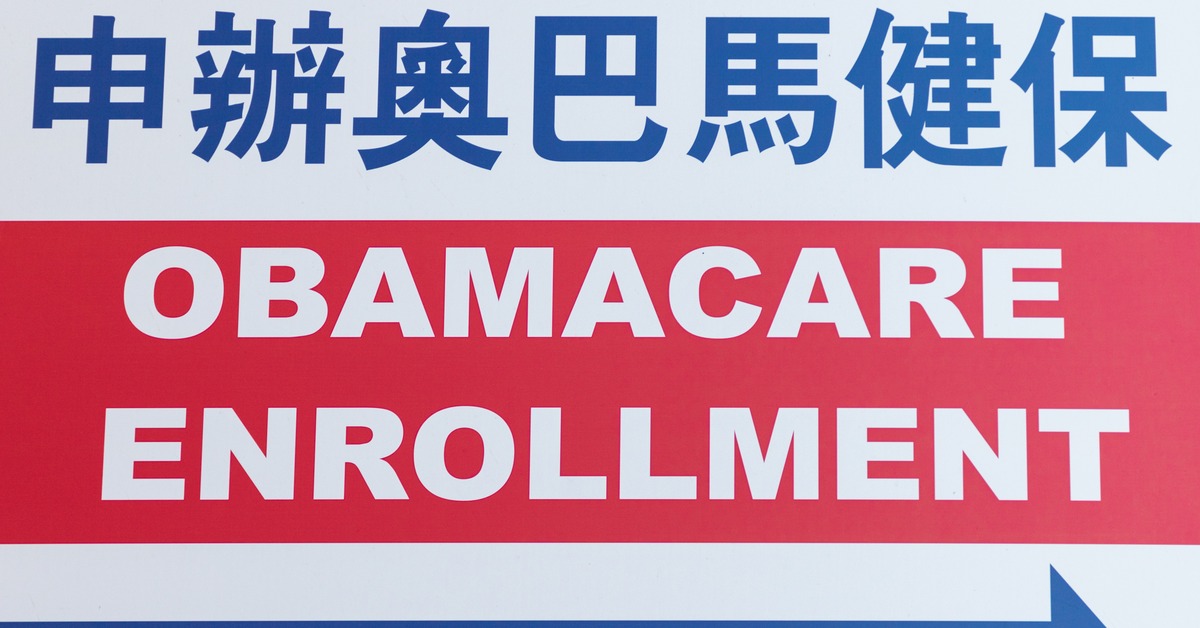
Open enrollment for 2027 coverage under the Affordable Care Act began on Sunday, Nov. 1, in most states. People buying their own health insurance will find higher prices waiting for them. Benchmark silver premiums are up 13% on average for 2027, according to a KFF analysis of the finalized rates.
It is the second straight year of double-digit increases. Benchmark premiums rose 26% from 2025 to 2026, and KFF puts the two-year increase at 42%.
That benchmark plan is not just a reference price. Federal premium tax credits are worked out from it. By definition, it is the second-cheapest silver plan on offer in an area, which is why its price ends up driving what people with subsidies pay.
Where you live changes the number. In states that use HealthCare.gov, benchmark premiums are rising 11% for 2027. States that run their own marketplaces average 16%, KFF found.
Why prices are climbing
In their rate filings, insurers pointed to the cost of medical care rising faster than usual, a trend KFF noted is also showing up in some employer plans.
Insurers also blamed the end of the enhanced premium tax credits and the shift in who stayed covered. KFF’s review of the filings found insurers estimated those risk-pool changes added about four percentage points to premiums in 2026, and they expect a similar effect in 2027.
Most enrollees still get a subsidy, and that help will soften the increase for them in 2027. The hit lands hardest on people earning above 400% of the federal poverty level. Above that line, there are no premium tax credits anymore. Those shoppers carry the whole premium on their own.
Fewer shoppers, fewer insurers
Since the enhanced credits lapsed at the end of 2025, enrollment has been sliding. During the 2026 open enrollment period, plan selections fell by 1.2 million, according to KFF. By February 2026, the number of people who had paid and stayed enrolled was down 12% — 2.6 million people — to 19.2 million.
The Congressional Budget Office expects the slide to continue. Its estimate puts marketplace enrollment at 13.1 million in 2027, down from a peak of 22.4 million in 2025.
Insurers are leaving, too. The exits are outnumbering the entries. KFF counted 11 carriers that, as of Oct. 29, had said they would leave at least one state for 2027, against seven planning to enter a new state. Cigna is the biggest departure: it is pulling out of the individual market in all 11 states where it sells coverage today.
Some states are filling part of the gap with their own money. Virginia and Rhode Island moved to create new state subsidies for the 2027 plan year, and New Mexico, which fully replaced the lost federal help in 2026, is continuing its assistance in 2027, KFF said.
What CMS says, and the deadlines
For its part, the Centers for Medicare & Medicaid Services — the agency behind HealthCare.gov — gave no average premium change in its fact sheet for plan year 2027. What CMS did say is that over 75% of HealthCare.gov shoppers will still be able to find a premium at or below $50 in 2027, once tax credits are counted.
The window on HealthCare.gov is the usual one: it opened Nov. 1, 2026, and it closes Jan. 15, 2027. Pick a plan by Dec. 15 and the coverage starts Jan. 1, 2027.
Have something to promote?
Bring your business, services or event to our readers.