

HARRISBURG, Pa. — The measles count in Pennsylvania now stands at 1,360 cases spread over 44 counties, the state Department of Health said Monday, giving its latest statewide update on an outbreak that began in late April.
The department counted 22 new cases since Oct. 23. Hospitalizations stand at 258, and the department has confirmed five measles-associated deaths.
Only four of the people who fell ill had been vaccinated, less than 1% of cases, according to the department.
The federal count differs on deaths. Reuters reported the Centers for Disease Control and Prevention has confirmed three measles-associated deaths in the state, not five, and counted 4,588 cases nationwide as of Oct. 22.
Since late April, when the outbreak began, staff at state health centers have run 228 pop-up clinics in the affected communities and given nearly 6,700 MMR shots there, the department said. With state health centers counted too, department nurses have given more than 10,300 doses this year.
The clinics are only part of the picture. A typical month brings about 25,000 MMR doses from providers statewide, the department said. September brought more than 56,000. The first three weeks of October brought more than 39,000.
Federal help is part of the response. Every other week, the department’s measles team sits down remotely with the CDC’s team to go over cases, the response and public materials, the department said, and the two teams talk more often when something comes up.
For babies, the advice is specific. Infants 6 through 11 months old should get an early extra dose if they live in, or travel to, a county the department’s dashboard flags for sustained community transmission, the department recommends. They still need the two routine doses after that.
Any child 12 months or older who has missed a dose should get one now and a second at least 28 days later, the department said. People who already have two documented doses need nothing more. Adults with just one dose, or no record of any, should talk to a health care provider or pharmacist about catching up.
“Getting vaccinated remains the best protection against the measles virus; the vaccine is proven 97 percent effective at preventing measles for life after two doses.”
The virus travels easily. A cough, a sneeze or a breath from an infected person can spread it, and it can hang in the air, or sit on a surface, still infectious, for as long as two hours after that person has gone, according to the department.
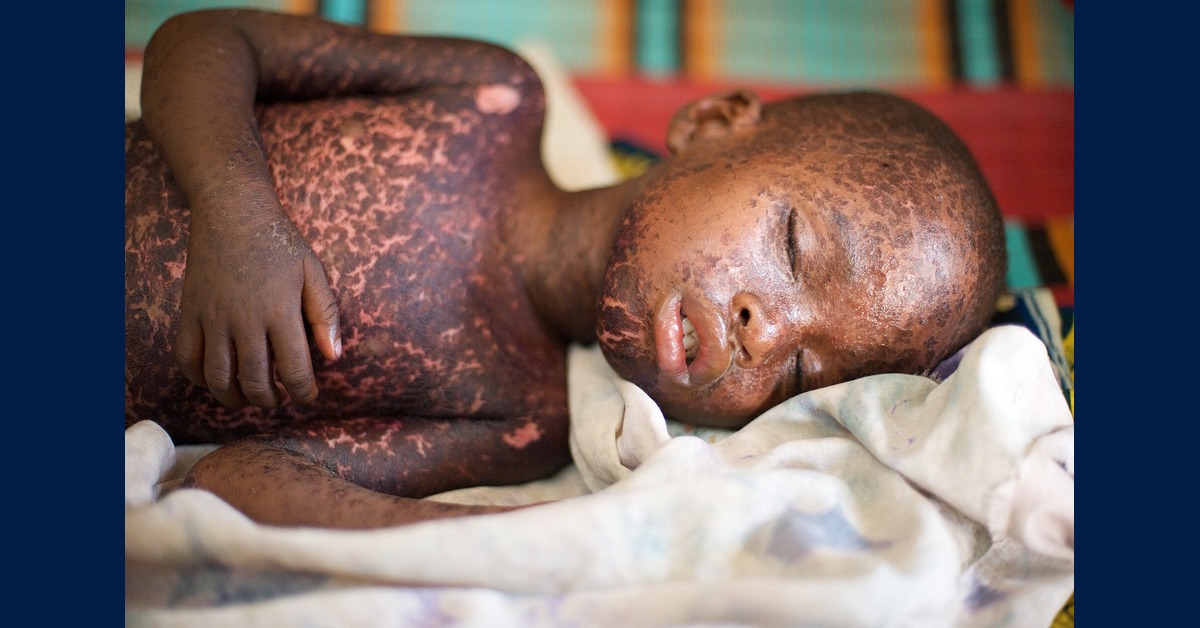
It starts like a cold: fever, a cough, a runny nose, red and watery eyes. A rash follows a few days later, beginning on the head and moving down the body, the department said. From exposure to first symptoms can take anywhere from 7 to 21 days.
Nearly 20% of people identified with measles in Pennsylvania have been hospitalized, the department said. Death is uncommon but not rare: one to three of every 1,000 patients die when they lack protection or supportive care, the department said.
Anyone who may have been exposed and feels ill should call a health care provider, the department said, or ring the department itself at 877-PA-HEALTH (877-724-3258).
Have something to promote?
Bring your business, services or event to our readers.