

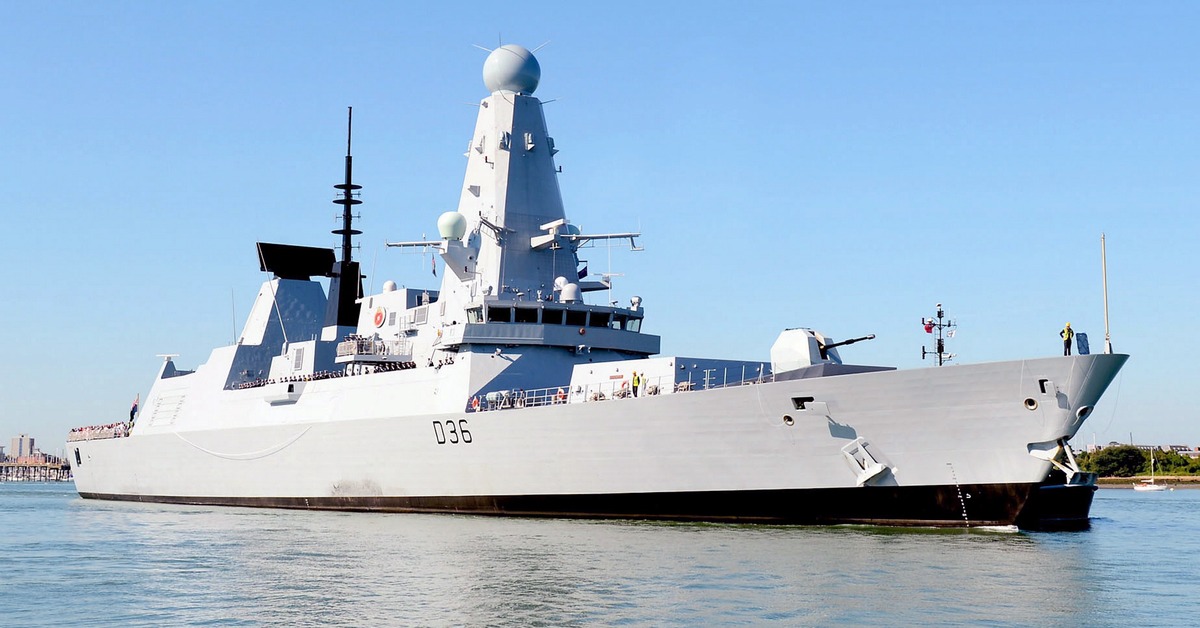
TEHRAN, Iran — In a statement on Sunday, the Foreign Ministry in Tehran said Iran has put Britain’s Royal Navy and Royal Air Force on its list of terrorist organisations.
The ministry said the designations were in force from Nov. 1, the day the statement came out. Britain’s foreign intelligence service, MI6, was classified separately as a hostile group.
Tehran said the move was reciprocal. It pointed to Britain’s decision in July to designate the Islamic Revolutionary Guard Corps under new national-security legislation, and to what it described as hostile British policies over the past year.
The ministry said the designations were authorised by Iran’s Supreme National Security Council. It described the decision as consistent with international law and warned that Britain would bear responsibility for any consequences.
What the statement says
Under the statement, MI6 falls under Iran’s law on tougher penalties for espionage and cooperation with hostile states. The Royal Navy and the Royal Air Force fall under a separate Iranian law on countermeasures against the designation of the IRGC.
“the British Royal Navy and the Royal Air Force shall be subject to the Law on Countermeasures Against the Declaration of the IRGC as a Terrorist Organization by the United States and, accordingly, these two entities are hereby designated as terrorist organizations.”
The statement went further, accusing Britain of helping the U.S.-Israeli campaign against Iran earlier this year. In its account, London gave the attackers access to military bases and to military and logistical facilities in territory under British jurisdiction.
Britain’s earlier move
Britain announced plans on July 13 to designate the IRGC and two other organisations under the National Security (State Threats) Act 2026. The designations took effect on July 17, after parliamentary approval.
Under the British framework, certain forms of support for a designated organisation can bring penalties of up to 14 years in prison, according to the Home Office. London has defended the measures as a way to disrupt activity threatening British security.
Britain’s account of its own role in the war differs from Tehran’s. Keir Starmer, who was prime minister when the U.S. and Israeli strikes began on Feb. 28, said Britain had not taken part in the initial attacks.
On March 1, Starmer confirmed that Washington had been given permission to use British bases for limited defensive operations against Iranian missile capabilities. London later confirmed the agreement also covered defensive operations against missile sites threatening shipping in the Strait of Hormuz.
No official British response to the Nov. 1 designations had been identified when AnewZ published its report on Sunday.
This news article is updated with the prime-source link added to the opening paragraph.
Have something to promote?
Bring your business, services or event to our readers.