

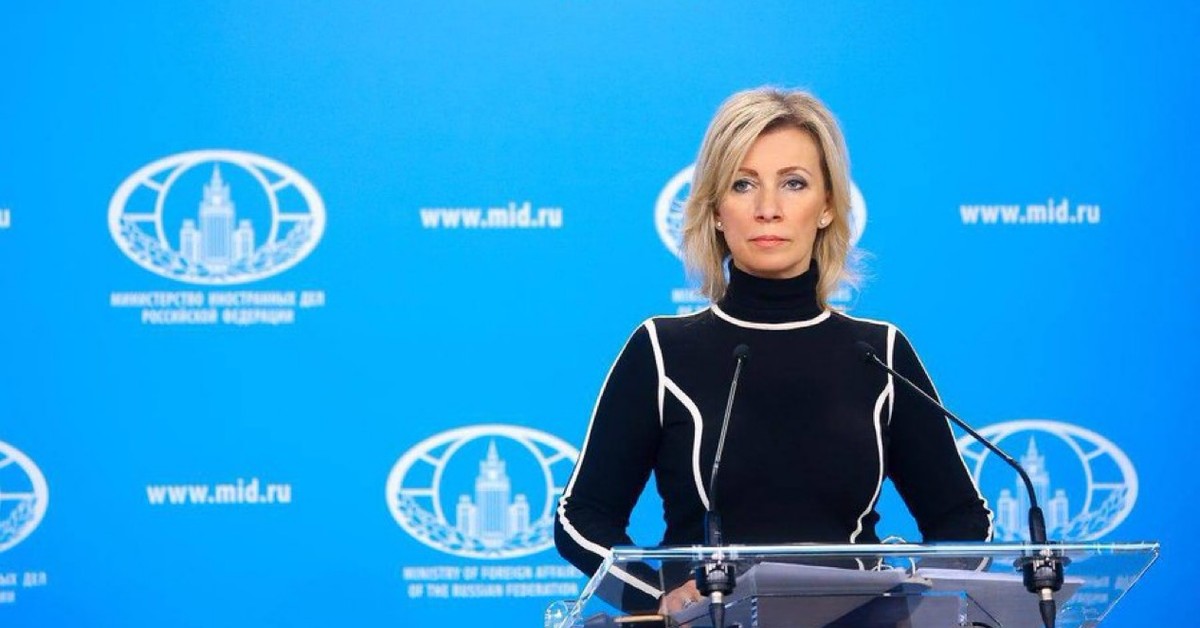
Russian Foreign Ministry spokeswoman Maria Zakharova warned Sept. 30 that if Europe attacks Russia, “it will be a completely different sort of war – a very short one.”
She made the remark in an answer to a media question published on the ministry’s Telegram channel. The question asked whether a Russian Embassy in Ireland statement, which raised the possibility of a nuclear strike on NATO countries if they attempted to blockade Kaliningrad, reflected the ministry’s official position.
Zakharova’s published answer did not directly say whether the embassy statement represented official policy. Her description of Russia’s own potential response also did not mention nuclear weapons.
Citing President Vladimir Putin, Zakharova said Russia does not threaten and does not intend to threaten European countries. She added that there should be no doubt Russia has the capabilities to prevent any aggression and defeat any aggressor.
Much of her answer was directed at Western governments. She accused “Western revanchist circles” of “Russophobic hysteria” and said a small group of politicians was pushing Europe toward a potential conflict while frightening ordinary Europeans with talk of threats from Russia.
According to Zakharova, NATO members are holding exercises near Russia’s borders that rehearse offensive scenarios. She said those scenarios include a potential blockade of the Kaliningrad Region and Russian Baltic Sea ports, along with sending allied troops through the Suwalki corridor.
She also pointed to rising defense spending in NATO countries bordering Russia, expanding military infrastructure and new drone production in Europe. NATO members, she said, have developed close interaction with Ukraine to learn from its fighting against Russian forces.
Some EU countries bordering Russia are signaling readiness to host nuclear weapons and are changing national laws to allow it, Zakharova said. She did not name those countries.
She said several European leaders had spoken publicly about their capabilities “to raze Russian air defences and missile bases” in the Kaliningrad Region to the ground. She did not identify them.
Zakharova named Polish Foreign Minister Radoslaw Sikorski, saying he was “dreaming” of a military defeat of Russia. She said Estonia’s defense minister had publicly discussed the advantages of a “preemptive” war against Russia.
Her characterizations of NATO exercises and of remarks by European officials were not independently verified, and the ministry’s post did not include responses from the officials she cited.
Zakharova argued that the policies she described help some politicians advance their careers and gain access to EU budgets. She also said European strategists appeared to have concluded that war was the only way to erase the consequences of their failures.
Politicians who believe such a war would be fought only with means where NATO holds an advantage “should be brought back to reality,” Zakharova said. She said Moscow hopes its warnings will be heard by those they are meant for.