
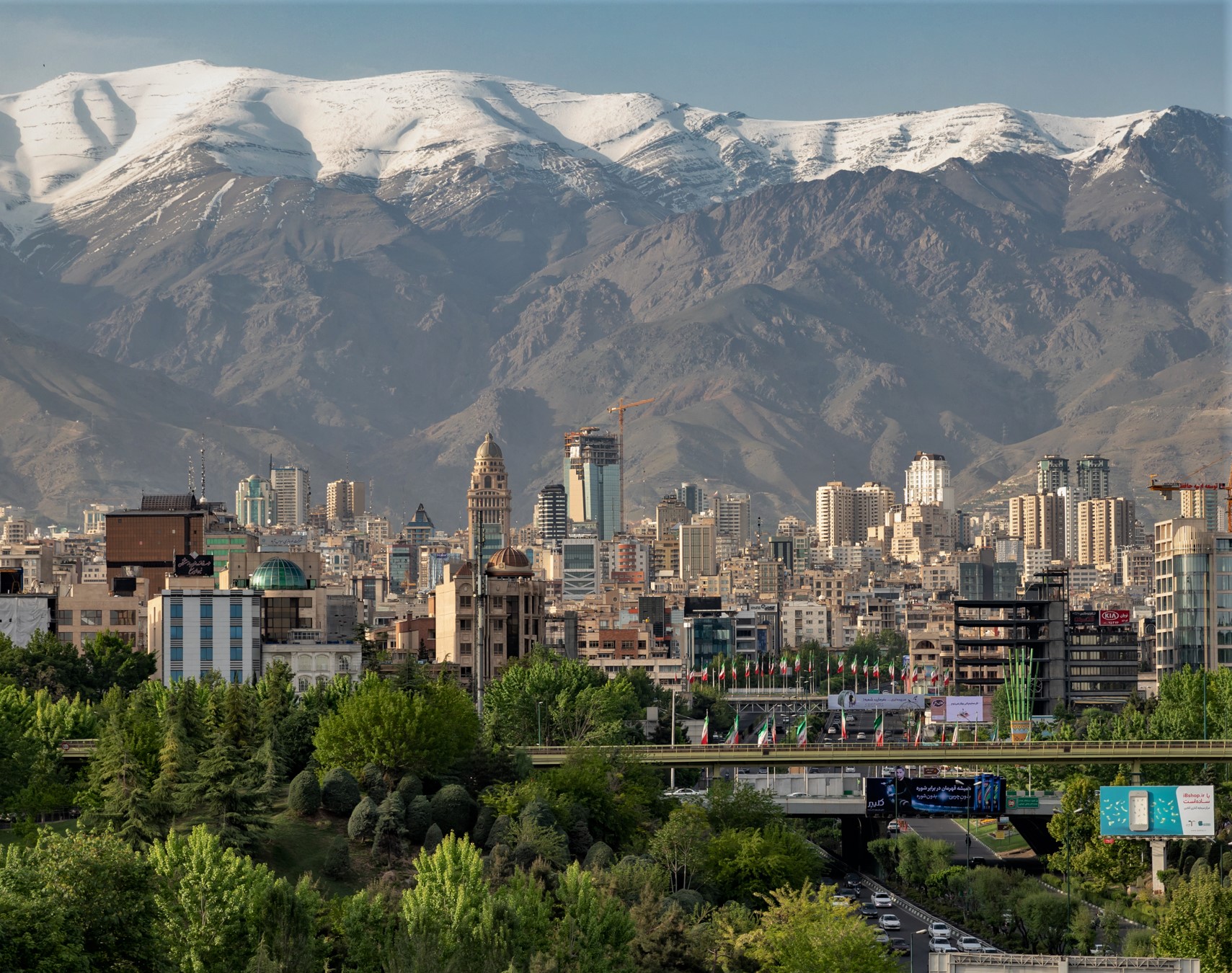
Tehran suffered greater damage than any other Iranian province in the 40-day U.S.-Israel war, with more than 50,000 homes damaged and 650 strikes on the capital, a municipal report said Monday.
These statistics have been revealed in a study done by the Urban Planning and Architecture Department of Tehran Municipality and were presented in a public event organized by the Faculty of Urban Planning at the University of Tehran, according to Iran International. The report claims that it is the most comprehensive account of damage in the capital yet revealed.
District 4 in northeastern Tehran was hit hardest, with 90 strikes. District 21 in the west recorded 62, District 1 in the north 57 and District 22 in the northwest 55. District 17 in the southwest was struck least, with three.
The number of strikes in District 4 alone exceeded the combined total recorded in some provinces. — Hossein Nouhi, certified construction expert at Tehran Municipality
All in all, 50,849 homes were damaged — some with nothing worse than cracked windows, others destroyed entirely.
According to the report, about 40,000 needed minor repairs, roughly 8,900 suffered more extensive architectural damage, and 415 buildings required reconstruction or reinforcement. Another 2,042 were destroyed completely.
District 4 had the most damaged housing units at 7,948, followed by District 2 with 4,037, District 15 with 3,490, District 11 with 3,432, District 21 with 3,205 and District 7 with 3,196.
District 7 recorded the most homes destroyed completely, at 429, ahead of District 4 with 325 and District 11 with 248.
Nouhi estimated the country’s financial losses from the war at $280 billion, excluding psychological impacts and the cost of restarting industries. He also pointed to the need to include shelters in the design of new high-rises, citing the war experience.
The war also left heavy debris across affected urban areas. Geologist Mehdi Zare’ put it at about 10 million metric tons by Aug. 1. The waste includes concrete, steel, glass, asbestos and industrial pollutants that he said could pose long-term environmental and public health risks.
Zare’ also said the demolition and cleanup process released millions of tons of greenhouse gases, on top of the war’s other environmental damage.

A global media for the latest news, entertainment, music fashion, and more.