

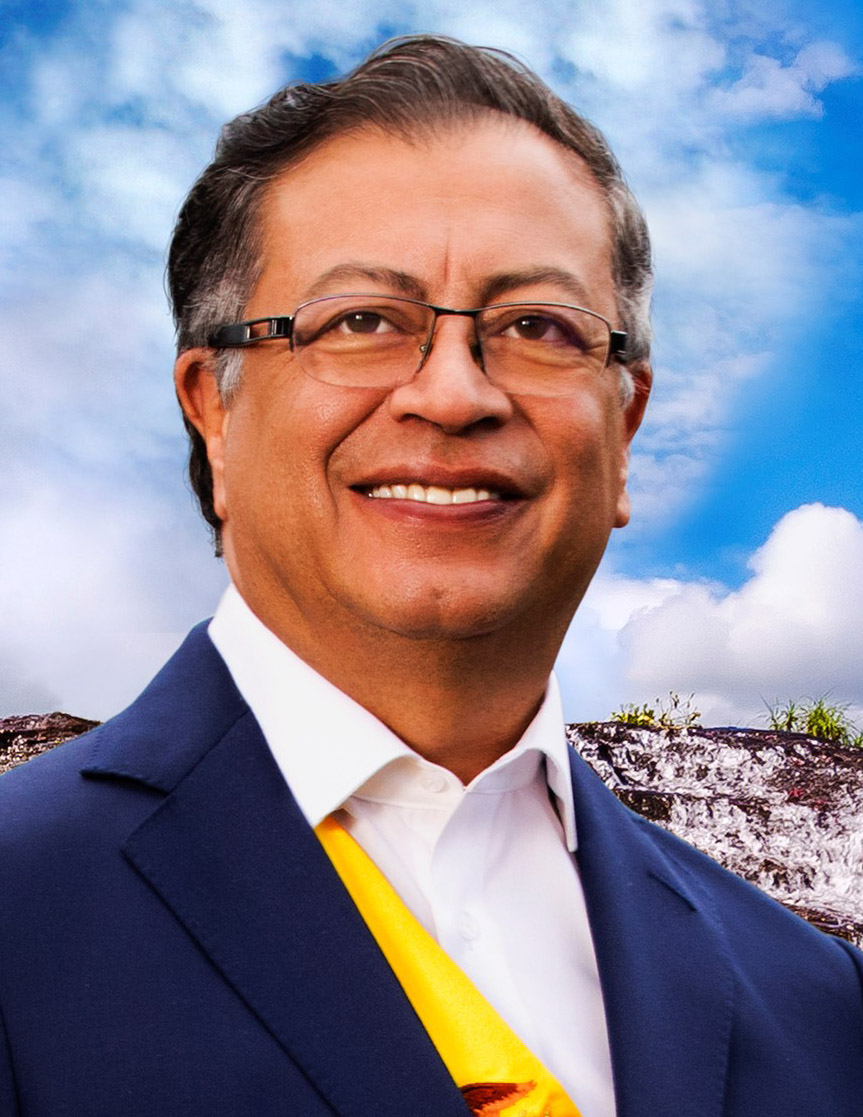
Former Colombian President Gustavo Petro denied awarding government contracts in exchange for sex, rejecting what he described as an attempt by Semana magazine to invade his private life.
“I have never awarded a contract in exchange for sexual relations,” Petro wrote in a Spanish-language statement shared on X. He also denied using public power to obtain sex or coercing anyone in his personal relationships.
The two-page statement did not detail what Semana had reported or planned to report. Petro accused the government of Abelardo de la Espriella of financing an effort to uncover his intimate life, but supplied no evidence supporting that allegation.
Petro argued that opponents had turned to his sexual life after failing to substantiate accusations of corruption and drug trafficking. He named de la Espriella and Donald Trump among those who he said had sought to portray him as corrupt or involved in the drug trade.
He denied stealing public money and said he had spent more than two decades fighting drug traffickers and exposing their political connections. The statement alone does not establish his claims about the conduct of his opponents.
Addressing Semana, Petro denied committing any crime in his sexual relationships. He argued that exposing another person’s intimate life undermines individual freedom and said he had avoided using opponents’ romantic or sexual relationships in political debates.
Petro distinguished public assistance for vulnerable women from the exchange of government contracts for sex, which he denied.
He said programs he supported in public office sought to give low-income women, women heading households and sex workers access to other employment and educational opportunities. He maintained that no participant could say he had exchanged contracts for sex.
Defending his administration’s record, Petro claimed that women in Colombia’s lowest socioeconomic stratum experienced a 41% increase in real income during his government. The statement supplied no supporting data for that figure.
He attributed reductions in child malnutrition and forced sex work to that income growth, without providing evidence for the connection.
Petro also argued that private conduct should match principles defended in public. Someone who advocates peace cannot commit domestic violence, he wrote, just as someone who promotes equality cannot subject a partner to domination or abuse.
He denied subjecting any woman to such treatment and described personal freedom as a condition of his relationships.
Writing about his younger years, Petro said he occasionally visited establishments where sex work took place but stopped decades ago. He said those experiences left him uncomfortable with paying for sex.
He returned to the question of public authority near the end of the statement:
“I have never used public power to obtain sex.”
Have something to promote?
Bring your business, services or event to our readers.