

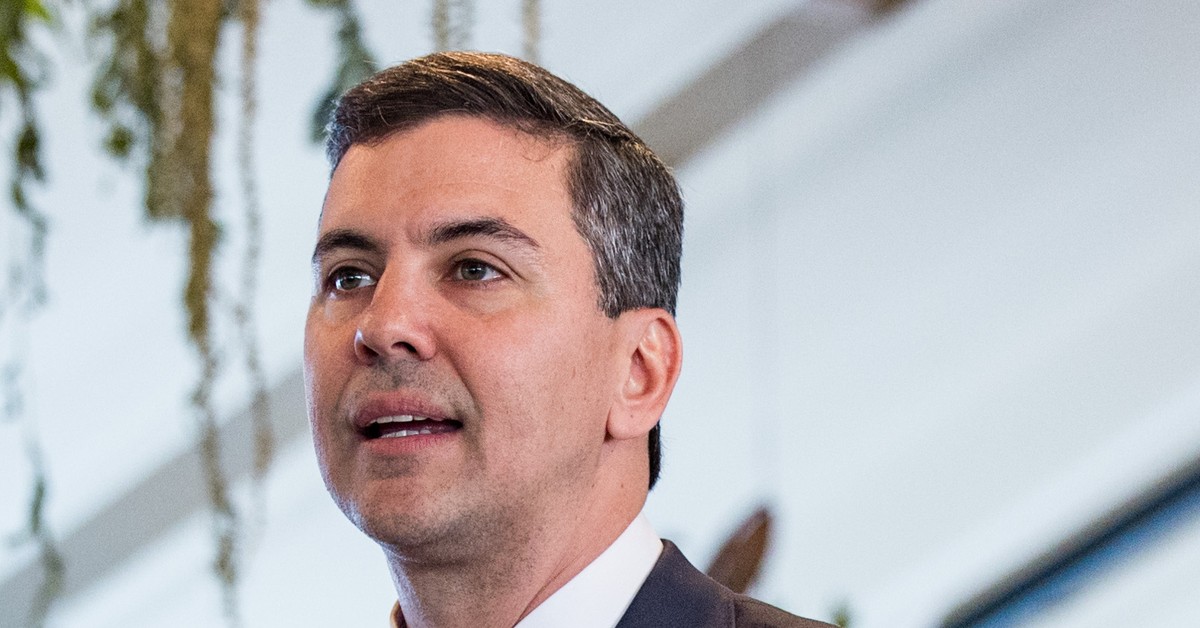
ASUNCIÓN, Paraguay — Santiago Peña resigned as president of Paraguay on Thursday after the collapse of Ueno Bank froze the savings of millions of people and turned his own Colorado Party against him, according to The Associated Press.
He made the announcement in a video posted to X while lawmakers were debating his impeachment. Peña said he was stepping down with “the stability of our country, social peace, and the need to preserve our democratic institutions in mind.”
The vote came minutes after the video appeared: 78-0 in the lower house to impeach him, with the charges sent to the Senate.
Opposition senators still wanted a trial. If Peña simply resigns, they argued, he keeps his eligibility to become a senator for life, and with it legal protections that could keep him from being prosecuted.
Peña expressed contrition, though he stopped short of accepting responsibility for the turmoil, The Associated Press reported.
“I want to apologize to the people if I have failed them at any point,”
“It was never my intention to betray the trust they placed in me.”
Then the session collapsed
Accepting the resignation turned out to be harder. A joint session of Congress called to rule on it lost its quorum after many government-aligned lawmakers left the chamber, and Senate President Basilio Núñez declared the session invalid.
Reported Senate tallies showed 24 votes against accepting the resignation and 20 in favor. The deputies’ count was never completed. Núñez said the Senate would continue with the impeachment process instead, and a planned swearing-in of Vice President Pedro Alliana did not take place.
Rumors spread that Peña had fled to Argentina. Argentina’s Casa Rosada, the presidential office, denied them.
A lender that grew too fast
Ueno claimed more than 60% of Paraguay’s adults as customers. A rebranded finance company, it won a banking license in 2023, offered cash-back deals on groceries, opened more than 70 locations and put its name on the national stadium.
Government money followed. As of last month the bank held roughly $800 million in public deposits, about a quarter of its total, The Associated Press reported. Pension and health fund money was in there, and so was money from the operators of the country’s hydroelectric dams.
Peña had a stake, until last year, in a company linked to Ueno. Reuters reported that he was a shareholder of Grupo Vázquez, the group that owned the bank, until March 2025. Lawmakers accused him of conflicts of interest, misuse of pension funds and institutional cover-ups linked to the collapse. Peña has rejected suggestions of improper ties.
Seizure, frozen accounts and arrests
Inspectors found the problem months ago. In June, central bank inspectors found a pattern of risky lending to insiders, ABC Color reported, with large loans to companies tied to Ueno’s owners, beyond legal limits and without enough collateral.
On Monday it collapsed. Once Ueno’s books were corrected, its capital fell to less than half the legal minimum, and the central bank announced the seizure on Tuesday. The app, cards and transfers went dark. Branches locked their doors.
Reuters put the number of customers at about 3 million, in a country of 6.5 million, left unable to access their accounts. On Wednesday a rush to open accounts elsewhere crashed other banks’ mobile apps.
Congress rushed through a guarantee law on Wednesday. The state fund must repay stranded depositors within five business days, starting Thursday with small accounts of up to about $1,600 held by customers with no debts to Ueno. Coverage runs to about $36,000 per customer, which the central bank says covers the full balances of an estimated 97% of clients.
The arrests came in waves. Paraguay’s central bank chief resigned on Tuesday, and eight Ueno executives were detained, Reuters reported. On Thursday a judge ordered six executives, including founder Miguel Vázquez and bank President Juan Manuel Gustale, jailed pending trial and two others placed under house arrest. Prosecutors charged 27 bank officials and associates with breach of trust and attempted fraud.
Protesters are not going home
The guaraní fell nearly 4% against the U.S. dollar on Thursday. Its losses for the week are nearly 7%, according to central bank exchange-rate data cited by The Associated Press.
Outside Congress, protesters who marched on Wednesday were still demanding their money back on Thursday. Bank employees, some still in Ueno uniforms, burned credit cards outside the Labor Ministry and demanded severance and unpaid wages. The ministry estimates the collapse has affected about 7,000 direct and indirect jobs. Local broadcasters reported wounded demonstrators and at least one injured officer as the protests outside Congress turned into clashes, with allegations of tear gas use.
Even Peña’s mentor turned. Horacio Cartes, the Colorado Party leader and a former president, backed impeachment and said the party would not side with “the plundering of public and private funds and pensioners’ money.”
Have something to promote?
Bring your business, services or event to our readers.