
The International Monetary Fund expects global growth of 3.1% this year and 3.4% next year, but said Tuesday the outlook is becoming more uneven from country to country.
The figures came in the fund’s latest World Economic Outlook, released in Bangkok during the IMF-World Bank Annual Meetings.
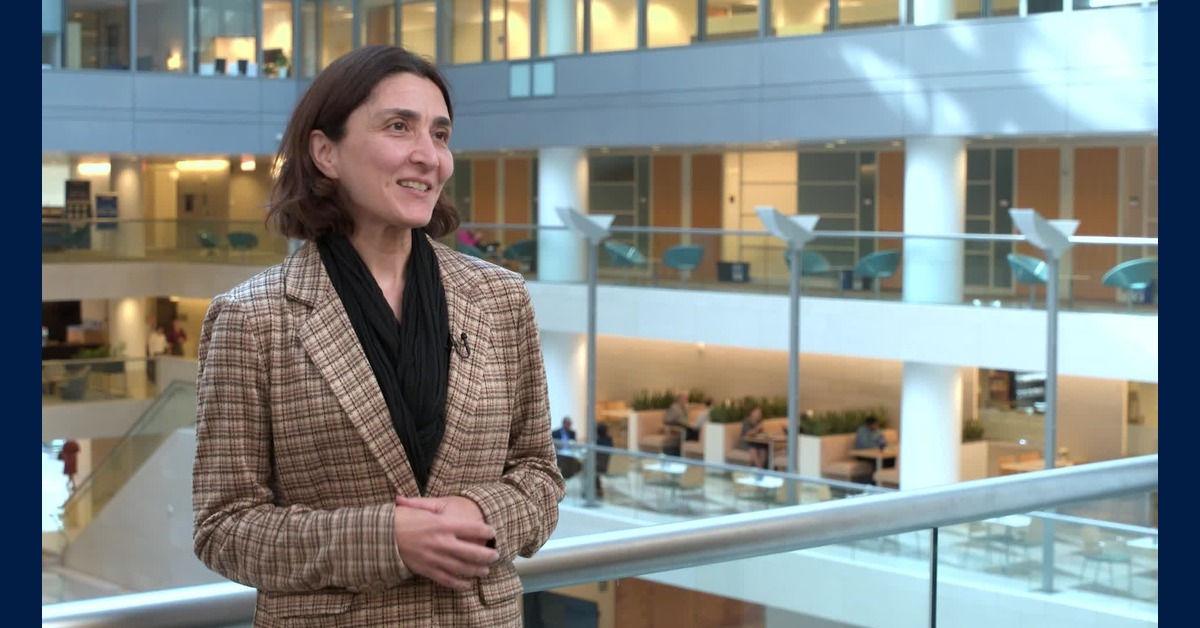
“The global economy continues to prove resilient, but this resilience is becoming increasingly uneven,” said Deniz Igan, division chief in the IMF’s Research Department.
Countries benefiting from the boom in AI investment are doing relatively well. So are countries with favorable terms of trade. Energy-importing and lower-income economies face something else entirely: a much more challenging environment, in Igan’s assessment.
Prices are part of it. Igan said inflation is expected to be higher in the near term, reaching 4.7% this year, largely reflecting higher energy and food prices.
There is also less room to maneuver than there was. The buffers that helped economies get through recent shocks are shrinking, and the room to adjust is closing fast, Igan said. The risks, in the IMF’s judgment, point down.
If tensions in the Middle East persist, or escalate, energy and food prices could stay elevated, adding pressure on growth and on inflation. Igan also pointed to rising sovereign bond yields and renewed trade tensions.
AI is not a one-way bet, either. Expectations could prove too optimistic, leading to financial market corrections. Or AI-driven productivity gains could materialize sooner than expected. The IMF sees upside possibilities there.
On policy, Igan said the key challenge is to navigate today’s shocks without losing sight of medium-term stability.
Countries should rebuild fiscal space without further delay. Debt is high. Borrowing costs are rising. Any help for households facing higher food and energy prices should be temporary, targeted and non-distortionary.
Monetary policy should follow the data and fit each country’s circumstances — how exposed it is to disruptions from the war, and to the technology upturn, matters. Longer term, the IMF pointed to stronger energy security and better AI readiness, and to keeping trade open and cooperation intact.