









KEY POINTS
- The Council of the EU said it added 145 people and entities to its Russia sanctions lists on Monday.
- Nearly 50 banks were listed, along with the Wildberries and Ozon shareholders and shadow-fleet oil buyers in four countries.
- The Social Design Agency and the NoName057(16) hacker group were also listed; those named face asset freezes and travel bans.
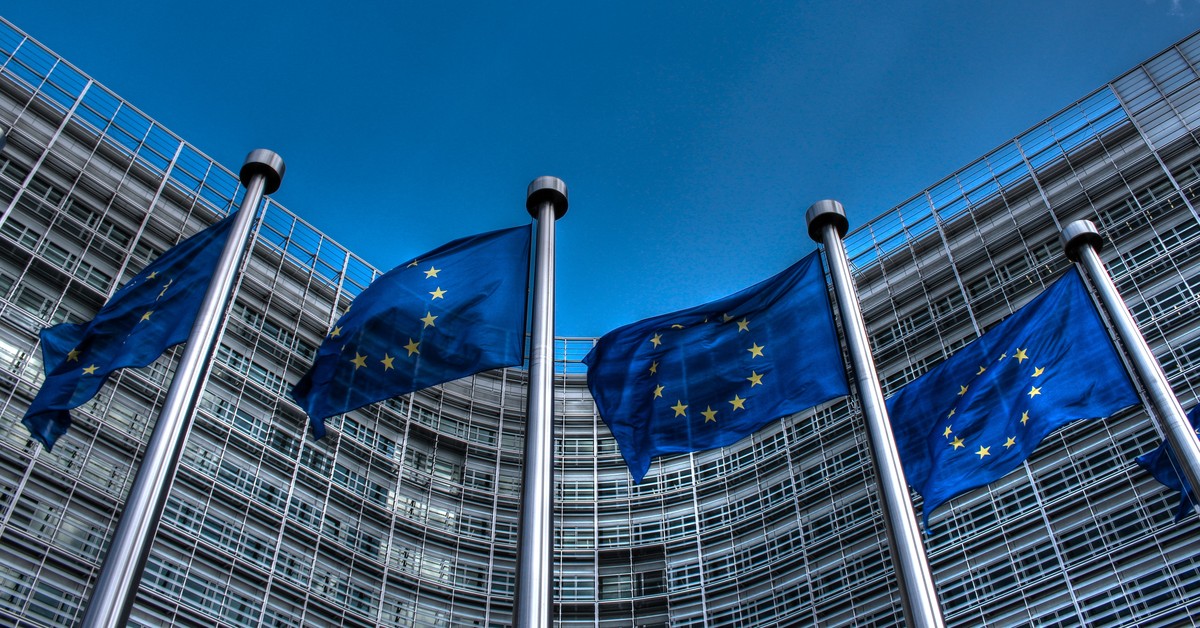
BRUSSELS — The Council of the European Union added 145 people and entities to its Russia sanctions lists on Monday, targeting nearly 50 banks, shadow-fleet oil buyers, a disinformation agency and a pro-Russian hacking group.
The largest of the two decisions lists 12 individuals and 101 entities. The Council said the listings respond to Russia’s indiscriminate attacks against Ukraine, particularly against civilian infrastructure, and target sectors that provide a substantial source of revenue for Russia’s war and support its shadow fleet.
Nearly 50 Russian banks and financial institutions are on the list. By tightening sanctions on the banking sector, the Council said, the EU is cutting off the financial channels that process state revenues and fund Russia’s war effort.
According to Reuters, the names published in the EU’s Official Journal include YooMoney, a subsidiary of state-owned Sberbank, the payment operator Bank 131 and the Russian Financial Corporation Bank, which is owned by the state arms exporter Rosoboronexport. Reuters reported the bloc had already listed more than 100 of Russia’s 213 internationally connected lenders.
Banks, online retail and the shadow fleet
The Council also went after online retail. It listed the sole shareholder of Wildberries, the Russian retail giant, and a person who controls the majority stake in Ozon, another major e-commerce company.
In energy, the listed companies manage Russian refineries and the St. Petersburg oil terminal and work in exploration and production, the Council said.
The shadow-fleet listings cover companies in the United Arab Emirates, China, Seychelles and Oman that buy crude oil products of Russian origin. They also cover businesspeople who own or manage vessels already under EU measures and illegally transport Russian oil in high-risk shipping operations, according to the Council.
Everyone named under this decision faces an asset freeze, and it is prohibited to provide them with funds or economic resources. The individuals also face a travel ban to the EU.
Disinformation agency and hacker group also listed
In the second decision, the Council added 30 individuals and two entities under its regimes on Russia’s destabilising activities and cyber-attacks.
The Council listed the Social Design Agency, a Moscow public relations and political technology company. It said the agency carries out large-scale information manipulation projects funded, directed and supervised by the Russian Presidential Administration, including campaigns against European support for Ukraine and operations aimed at Germany and France.
Twenty-four of the individuals work for the agency and helped run its so-called European counter-campaign and Ukrainian counter-campaign, the Council said. The listings also name Russian television figures Vitaly Eliseev and Petr Marchenko, the Ukrainian-born blogger Yurii Podoliaka and Chay Bowes of RT International.
The Council also listed NoName057(16), a pro-Russian hacker group that emerged in March 2022. The Council said the group claims responsibility for cyber-attacks on government bodies, critical infrastructure and private companies in Ukraine, the United States and EU member states, using denial-of-service attacks against sectors including energy, finance, transport and water supply.
Those listed in the second decision face an asset freeze and travel bans, and EU citizens and companies are forbidden from making funds available to them. The Council said the destabilising-activities regime now covers 111 individuals and 21 entities, and the cyber regime 27 individuals and 12 entities.
The legal acts for both decisions have been published in the Official Journal of the European Union. The listings follow the European Council’s conclusions of Oct. 15 and 16, which called for further measures to reduce Russia’s energy revenues and curb shadow-fleet operations.