

WASHINGTON — President Donald Trump’s decision to waive new Russia sanctions drew criticism Saturday from lawmakers in both parties. They accused Trump of undermining support for Ukraine and prolonging the war.
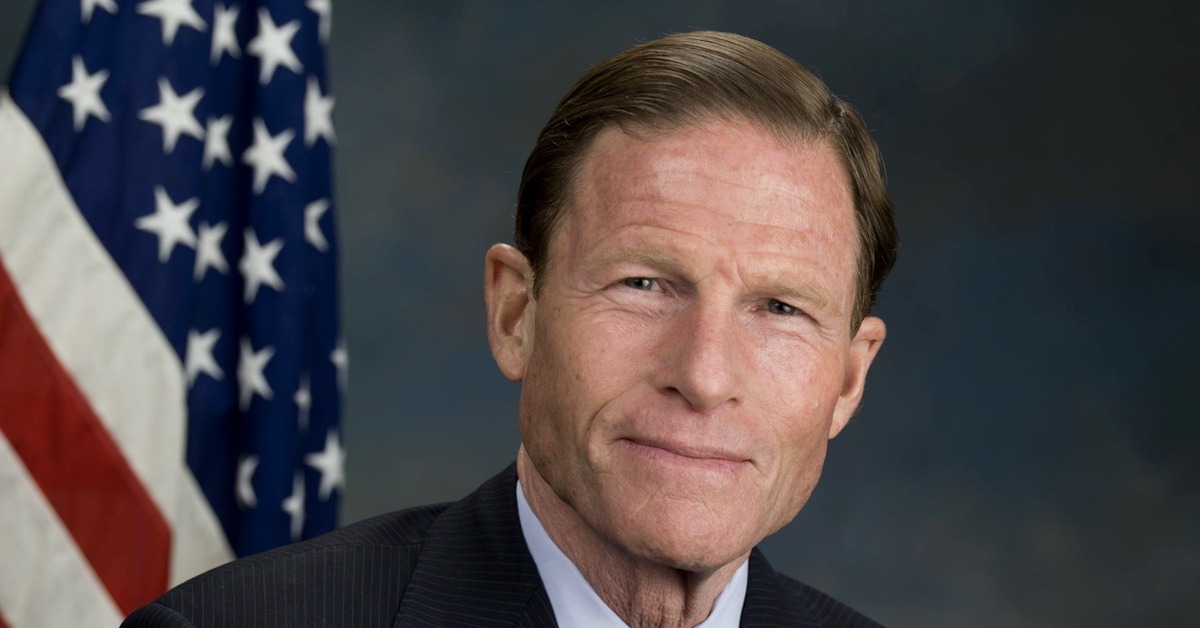
In a post on X, Sen. Richard Blumenthal, D-Conn., rejected the national-interest justification Trump offered for the waivers.
“These waivers have nothing to do with our national security, & everything to do with sucking up to Vladimir Putin,” he wrote. He urged Republicans to condemn what he called a “craven, cowardly action.”
Trump’s executive order, signed Friday, waives broad sanctions and tariff increases under the Lindsey O. Graham Sanctioning Russia and Iran Act of 2026. Trump signed that legislation Sept. 18.
The president said he had submitted certifications and reports to Congress explaining why the waivers serve U.S. national interests. The order does not reproduce those reports or provide a detailed explanation for the decision.
Rep. Don Bacon, R-Neb., challenged the president’s approach in a post on X Saturday.
“The President is prolonging the war, not ending it,” he wrote.
Rep. Don Beyer, D-Va., called the waiver “Trump’s latest surrender to Putin” in his own post on X. He accused Trump of betraying Ukraine and defying Congress’s intent in passing the sanctions legislation.
Section 2 of the order calls for an extra 500% tariff on Russian goods. It also lists additional 100% tariffs on goods from certain countries buying Russian energy or helping Russia evade sanctions. Section 4 waives all of those increases.
One tariff provision targets goods from the five largest importers of Russian crude oil and natural gas if they knowingly make new purchases beginning Oct. 18. Another targets the five leading countries facilitating Russian oil sanctions evasion.
The order names no countries in either group.
The waivers also cover provisions addressing Russian financial institutions, government-linked entities, certain money transfers, securities trading, investment and energy transactions. Sanctions under earlier executive orders tied to the Russia national emergency remain in place.
The criticism followed an earlier bipartisan appeal for Trump to enforce the law.
Republican Sens. Mitch McConnell, Susan Collins and John Cornyn were among 12 senators who signed an Oct. 13 letter urging implementation. Democratic signers included Blumenthal, Jeanne Shaheen and Dick Durbin.
That letter, sent three days before Friday’s waiver, also urged Trump to reverse his separate agreement allowing Russian diesel into global markets.
“This deal is a gift to our adversary and a betrayal of our Allies; it should be rescinded,” the senators wrote.
They argued that allowing the sales would strengthen Russia’s ability to finance its war while providing Americans little relief from fuel prices.
Friday’s waivers have no fixed expiration date. They remain in place until Trump or the secretary of state determines further action is appropriate, consulting Treasury and trade officials as needed.
The order directs the U.S. trade representative to continue monitoring Russian energy purchases and sanctions evasion, report developments to Trump and recommend further action, including possible changes to the waivers.
Have something to promote?
Bring your business, services or event to our readers.