
WASHINGTON — President Donald Trump on Friday waived a broad set of Russia sanctions and tariff increases under a law he signed last month, citing U.S. national interests.
The White House order outlines an additional 500% duty on Russian goods and 100% duties targeting certain countries buying Russian energy or helping evade sanctions. Section 4 waives those increases, along with numerous sanctions and restrictions.
The waivers have no fixed expiration date. They remain in place until the president or secretary of state determines further action is appropriate, with consultation from Treasury and trade officials as needed.
Trump said he had submitted certifications and reports to Congress explaining why the waivers serve the national interest. The order does not reproduce those reports or give a detailed explanation for the decision.
The order expressly preserves sanctions imposed under earlier executive orders tied to the Russia national emergency that Trump continued March 24. Those protections include measures covering people and entities already sanctioned under those orders.
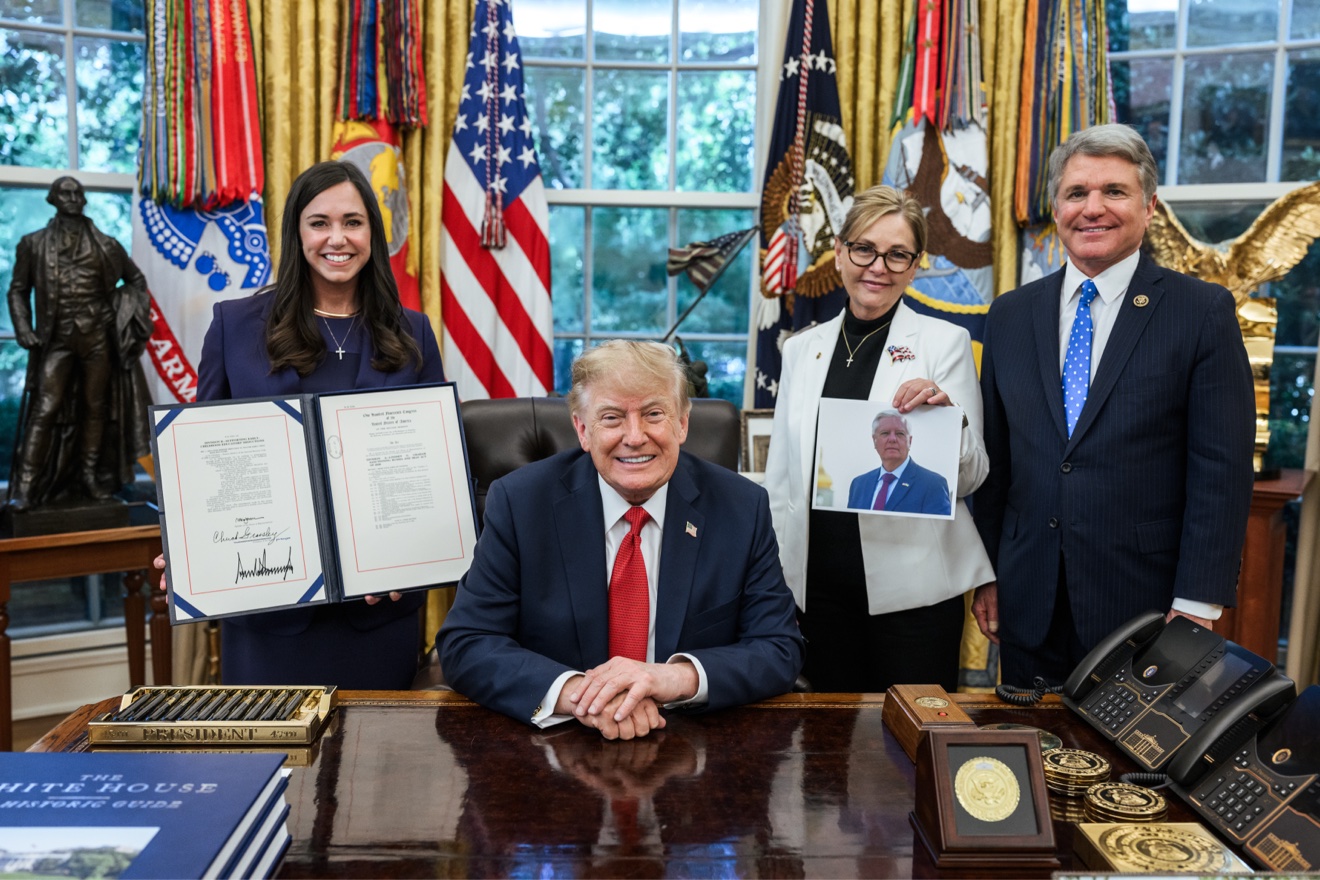
Trump signed the Lindsey O. Graham Sanctioning Russia and Iran Act on Sept. 18. Many of its Russia provisions required action within 30 days, making Oct. 18 a key implementation deadline.
The waived provisions cover Russian financial institutions and government-linked entities, certain money transfers, securities trading, new investment and energy transactions. They also address financial messaging services and Russian uranium.
Not every provision was awaiting implementation. The law’s prohibition on U.S. persons purchasing Russian government debt took effect upon enactment. Friday’s order waives that provision while leaving restrictions under the earlier executive orders intact.
The tariff provisions would also reach goods from countries trading with Russia.
One calls for an additional 100% duty on goods from the five largest importers of Russian crude oil and natural gas if they knowingly make new purchases beginning Oct. 18. Another targets goods from the five countries identified as the leading facilitators of Russian oil sanctions evasion.
The order names no countries in either group. Both increases are waived, as is the additional 500% duty on Russian goods. Those duties would otherwise be added to existing import charges.
The administration supported the legislation before its passage. In a July 28 statement, the Office of Management and Budget described it as a means of pressing Russia toward a negotiated end to the Ukraine war. The statement also emphasized the president’s discretion to grant waivers.
Friday’s waivers address the law’s Russia provisions. They do not cover its separate extension of the Iran Sanctions Act of 1996 through 2031.
The U.S. trade representative must continue monitoring purchases of Russian oil and gas and countries’ involvement in sanctions evasion. Trade officials must report developments to Trump and recommend further action, including possible changes to the waivers.
Have something to promote?
Bring your business, services or event to our readers.