

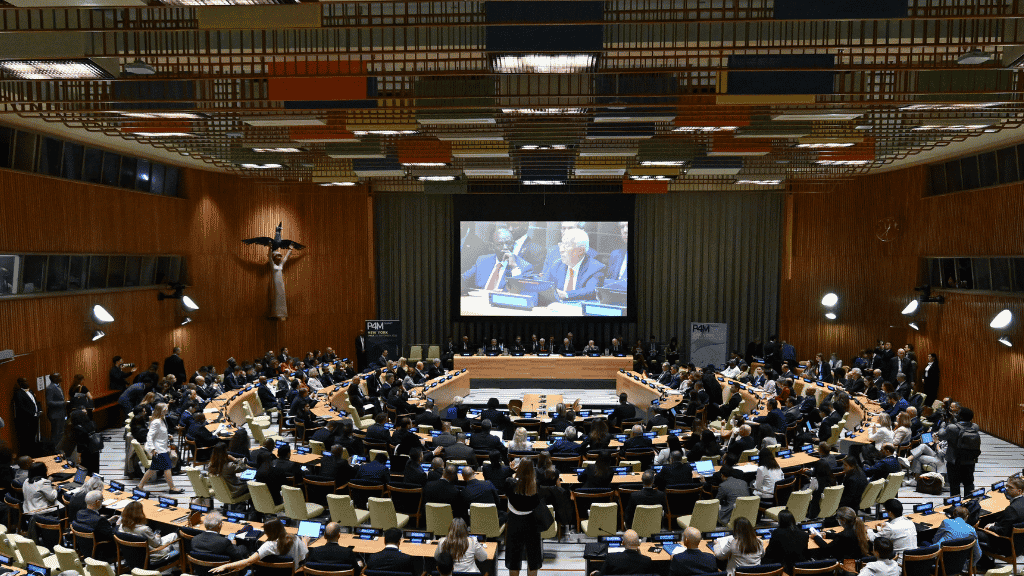
Countries and health organizations called for sustained funding, stronger national health systems and wider access to medical supplies at a U.N. General Assembly panel on pandemic preparedness Friday.
The discussion focused on building surveillance, laboratories and health workforces before another emergency. Speakers also urged governments and donors to coordinate funding around national priorities, according to a U.N. transcript. The transcript was generated automatically and is not an official U.N. record.
A representative of the Pandemic Fund said requests for support were more than six times the resources available. The fund’s representative called for sustained international support alongside countries’ own investments in preparedness.
Mark Pearson, an acting director at the Organization for Economic Cooperation and Development, said aid funding for infectious diseases was projected to fall by as much as 40% between 2024 and 2026. He called for better tracking of preparedness spending across health and other sectors.
Speakers differed over how to frame access to vaccines, treatments and tests. The U.S. representative questioned the use of terms such as “equity” without an agreed international definition or a clear way to measure progress. The representative said domestic funding should be the primary source of health security financing, supplemented by international cooperation.
India’s representative called for equity to be central to preparedness financing and said countries with greater financial constraints needed more grant support. South Africa called for regional manufacturing, technology transfer and predictable funding.
The panel also heard calls to invest in animal disease surveillance and veterinary services, which the World Organisation for Animal Health’s director general described as part of pandemic prevention. A representative of medical students urged governments to involve young health workers and communities in planning before a crisis begins.
Speakers referred to a draft political declaration under consideration at the high-level meeting. The panel transcript does not establish whether the General Assembly adopted it. The U.N. also warns that the transcript was made from an earlier version of the audio and may not fully match the current recording.