











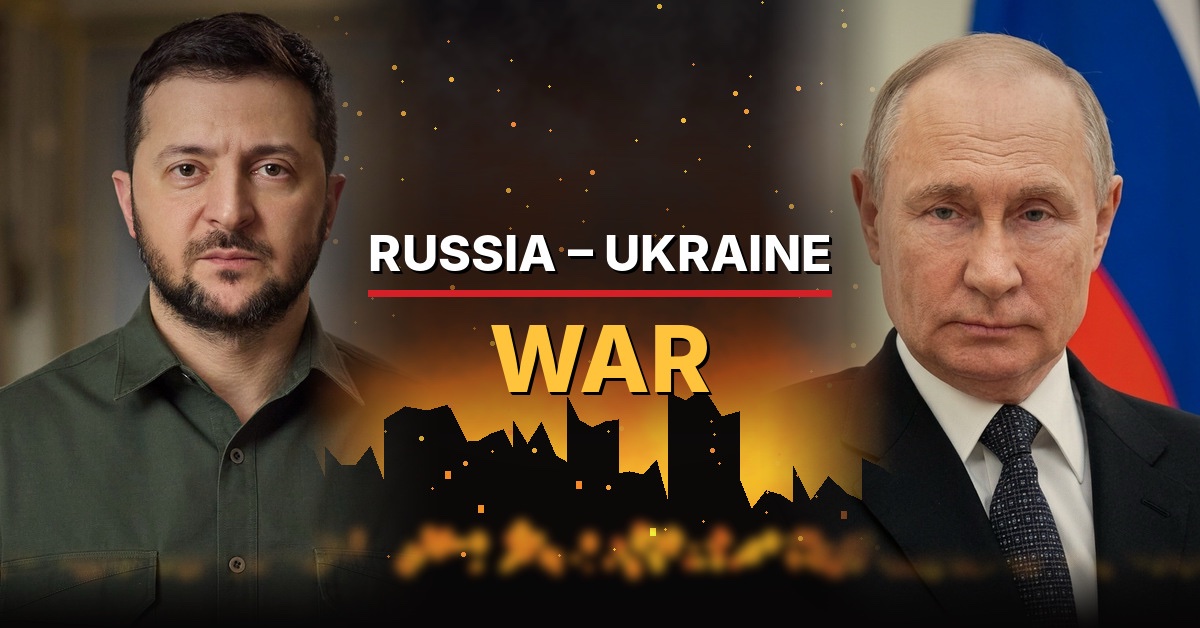
KYIV, Ukraine — President Volodymyr Zelenskyy said Sunday that speed restrictions on Ukraine’s Starshield satellite system are leaving his interceptor drones unable to catch the Russian Shahed drones now hitting the country’s power network ahead of winter.
The problem, Zelenskyy said, is a hard ceiling. Past 161 kph (100 mph), along the front line and over Russian-occupied territory, the interceptor drones drop their link to their operators — too slow, then, to catch Russia’s jet-powered Shaheds.
Starshield is the military version of the satellite service run by Elon Musk’s SpaceX. In a post on social media, Zelenskyy said Kyiv is counting on Washington, and on the company, to lift the cap.
“We are counting on these restrictions to be lifted,” he wrote. “The protection of lives and Ukrainian energy infrastructure before winter depends on this. The Ministry of Foreign Affairs, the Ministry of Defense, and the President’s Office have been instructed to work closely with the American side and SpaceX.”
A dispute over who imposed the cap
Zelenskyy questioned on Saturday whether the problem is technical at all. The restrictions appeared to have been imposed by SpaceX, he said, despite earlier assurances from Secretary of State Marco Rubio that Starshield was more under U.S. government control.
SpaceX has denied restricting internet speeds, and it is the second such dispute in recent weeks. Last month, Musk said the United States government controls Starshield.
By Zelenskyy’s count, the restrictions have now been in place for five days. On Saturday he said Starlink had reported technical problems, but Ukraine does “not believe that is the case.”
The overnight toll on the power grid
The warning landed after another night of strikes on energy sites. In Chornomorsk, a port city in the Odesa region, a Russian strike injured six people and damaged energy infrastructure, regional head Oleh Kiper said Sunday on Telegram.
The blast and falling debris also damaged a gas pipeline and nearby homes, and two parked cars caught fire, Kiper said. The strike hit a facility run by DTEK Odesa Electric Networks and temporarily left about 41,000 customers without power.
Overnight airstrikes on Zaporizhzhia, in the southeast, injured another six people, among them a 2-year-old boy, Ukraine’s State Emergency Service said Sunday. Two people were killed on Saturday in a Russian drone attack on what Ukrainian officials called “critical infrastructure” in the northern Koriukivka region.
Ukraine’s army said it shot down 106 of 132 Russian drones launched overnight. Russia, Zelenskyy said, has launched more than 2,300 drones, 1,590 guided aerial bombs and 15 missiles of various types against Ukraine over the past week.
Russia’s Defence Ministry said on Sunday that its forces had launched attacks targeting Ukraine’s military airfields, munitions depots and other military facilities.
Ukraine strikes back in Rostov and Tatarstan
Ukraine hit back at Russian energy sites of its own. Drone strikes damaged two electrical substations in Russia’s Rostov region and killed a chief engineer, Gov. Yuri Slyusar said Sunday.
Four people were injured when drone debris fell on their cars, Slyusar wrote on social media. A fifth person was wounded when debris struck a “production facility” in the village of Troitskoye, he said.
Farther east, in Tatarstan, a “large-scale and prolonged attack” damaged the industrial zone of Nizhnekamsk, the region’s third-largest city, Mayor Radmir Belyaev said. Six people were injured there, and heating and hot water supplies were disrupted in parts of the city, he said.
Russia’s Defense Ministry said its forces shot down 533 Ukrainian drones overnight across 13 Russian regions, the annexed Ukrainian peninsula of Crimea, and the Black and Azov seas.