











Key Points
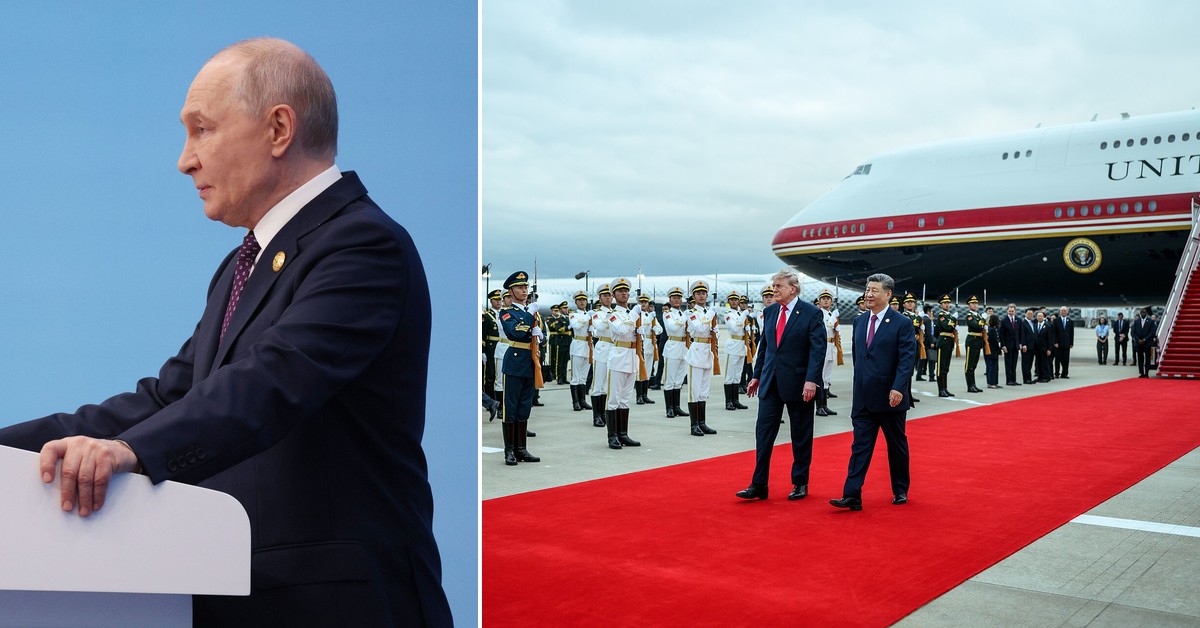
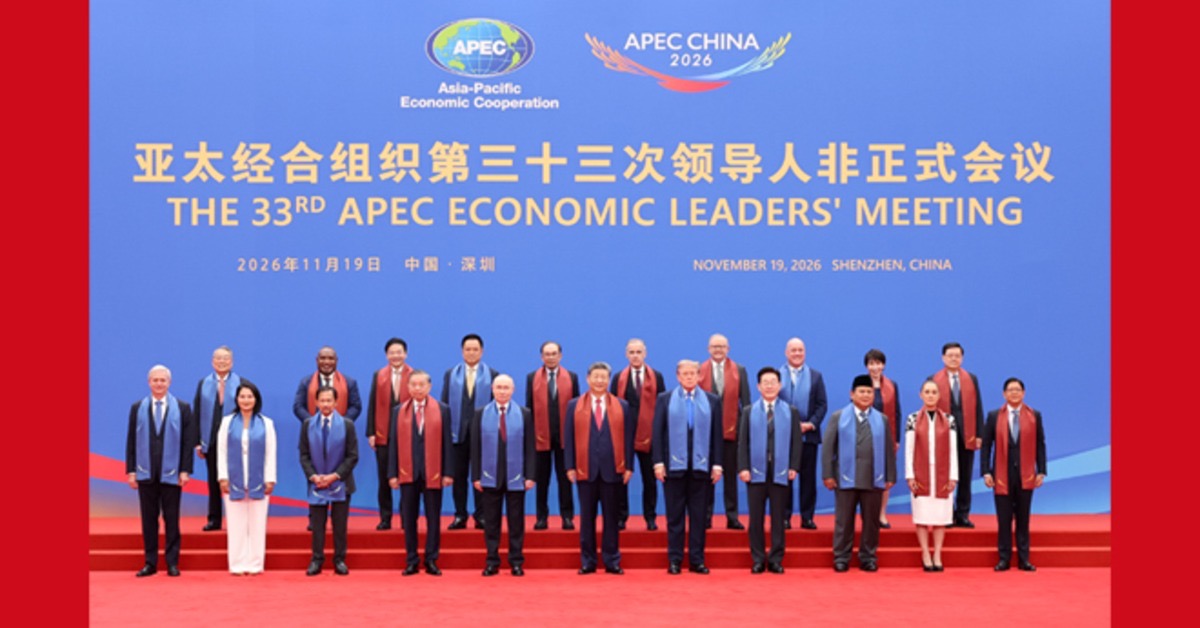
- Trump, Xi and Putin held the first-ever trilateral meeting of the three leaders at Kylin Villa in Shenzhen, on the sidelines of the APEC summit.
- The talks ended with a four-point joint declaration on U.N. reform, energy supplies, the ICC and nuclear-risk dialogue — with no agreement on Ukraine, Iran or nuclear arms limits.
- Ukraine dominated Trump’s separate meeting with Putin, and Trump next heads back to Washington as the three sides decide whether the dialogue continues.
SHENZHEN, China — President Donald Trump, Chinese President Xi Jinping and Russian President Vladimir Putin met Thursday in the first face-to-face summit involving leaders of the three countries.
China’s government reported that the meeting took place in Shenzhen during the Asia-Pacific Economic Cooperation summit. Xi called the gathering “of groundbreaking significance.”
At the opening, Trump said the three countries were “uniquely positioned” to discuss reducing nuclear weapons and the risk that they might be used, according to The Associated Press. Xi said the talks would focus on promoting world peace, while Putin said the countries shared responsibility for maintaining it.
The summit followed separate meetings Trump held with Xi and Putin. AP reported that Trump’s meeting with Putin lasted about 40 minutes and was their first face-to-face discussion since talks in Alaska last year.
Bilateral talks set the stage
China’s Foreign Ministry said Xi and Trump agreed during their bilateral meeting to develop an action plan for a relationship built on respect, fairness and reciprocity. The ministry’s account also cited cooperation on trade, narcotics, immigration, telecommunications fraud and artificial intelligence safety.
The Chinese readout said Xi raised Taiwan and urged Washington to avoid serious disruption in the relationship. It attributed to Trump a statement that the United States does not support Taiwan independence; the account was China’s description of the bilateral talks.
AP reported that nuclear arms and the wars in Ukraine and Iran were expected to dominate the three-way discussion. Trump said before the summit that he wanted a modernized arms-control agreement that includes China after the New START treaty between the United States and Russia expired in February.
The Chinese government’s initial summit notice confirmed that the meeting occurred and recorded Xi’s characterization of its importance. It did not announce an agreement or other negotiated outcome.
A Four-Point Declaration, and No Deal on the Wars
In the joint declaration published by Russia after the talks, the three leaders described an in-depth exchange of views. They committed themselves to maintaining strategic stability and international security.
As permanent members of the U.N. Security Council, they pledged to reform the United Nations. The aim, they said, was a U.N. that responds more effectively to global challenges and keeps to its mission of peace and security.
They also planned to increase the production and supply of refined petroleum products. Stable energy flows matter for all nations, the declaration said.
On the International Criminal Court, the leaders said state consent and respect for the immunities of state officials were of paramount importance. The court and similar bodies, they agreed, must not abuse their jurisdiction. An arrest warrant the court issued for Putin in 2023 remains in force.
The fourth point covered nuclear weapons. The leaders reaffirmed that a nuclear war cannot be won and must never be fought. Their countries, they said, will hold a dialogue on reducing nuclear risks and preventing proliferation.
The declaration named no nuclear cap and mentioned neither Ukraine nor Iran.
China has less reason to accept limits, the AP noted. Its arsenal of more than 600 warheads is far smaller than the more than 5,000 believed held by each of the United States and Russia. Beijing has resisted joining arms talks with Washington and Moscow, which hold far larger stockpiles.
“We need more than diplomatic theater and photo opportunities between Xi, Putin and Trump at APEC,” said Daryl Kimball, executive director of the Arms Control Association. One meeting, he said, would not likely produce dramatic breakthroughs.
Ukraine Dominated the Separate Talks
The war in Ukraine dominated that meeting, Kremlin foreign policy aide Yuri Ushakov said, according to Reuters. The two also discussed bilateral ties and the joint meeting with Xi that followed. Putin’s mood afterward was “simply excellent,” Ushakov said.
“We’ve had a great relationship for many years,” Trump said after shaking hands with Putin, whom he called “my friend.” “Wonderful things can come out of this — or at least start.”
Trump also met Xi alone, in their third substantial meeting this year. He raised Ukraine almost at once, Reuters reported. “We’re looking to both help with respect to the war with Russia and Ukraine. I’d like to see it ended. I think I can speak for both of us very much,” Trump said.
Xi made no mention of Ukraine in his opening remarks at that meeting. White House officials had said Trump was not expected to raise the war in the three-way session, though Trump himself had suggested he could bring it up.
In the bilateral, Trump praised his friendship with Xi and their shared interest in oil moving through the Strait of Hormuz. The waterway has been repeatedly disrupted by attacks in the Iran war. He also suggested he would push Xi to buy more U.S. agricultural products.
Xi said U.S.-China relations had been “generally stable and improved” during Trump’s presidency. Xinhua reported that Xi raised Taiwan with Trump and said the two countries needed better communication on economic and trade issues.
How the Meeting Was Set, and the Warning From Kyiv
The White House confirmed the trilateral meeting on Nov. 13. Assistant press secretary Olivia Wales told reporters Trump would discuss reducing the world’s nuclear weapons, whose proliferation he believes is very dangerous. A senior U.S. official said no agreement was expected and called the session a first conversation.
Kremlin spokesman Dmitry Peskov confirmed the meeting a day later. An agreement had been reached, he said, and one hour had been set aside for the three leaders.
China’s Foreign Ministry announced it on Nov. 16. On Nov. 19, the ministry said, Xi would hold the China-Russia-U.S. Summit with Putin and Trump in Shenzhen.
Ukraine had warned against the gathering for weeks. “We really don’t want this to turn into ‘Yalta 2, 3, 4,’ with a redistribution of influence,” President Volodymyr Zelenskyy told reporters in October, recalling the 1945 conference that shaped postwar Europe.
Foreign Minister Andriy Sybiha urged Washington and Beijing to press Moscow instead. “Both the United States and China have a decisive influence on Russia, especially in the context of ending the aggression, ending the war,” he said in Kyiv.
The Kremlin rejected the Yalta comparison. No country, a Russian government spokesperson said, intended to decide the fate of the world or of others.
Kylin Villa, a 38-hectare government retreat beside Xili Lake, has hosted politically sensitive talks before, Reuters noted. Thursday’s session added the leaders of the world’s three largest nuclear powers to that history.
Trump left Shenzhen for Washington after the talks. The meeting closed an Asia trip that had also taken him to the Philippines for regional security and trade meetings.