











KEY POINTS
- Russia’s lower house approved the 2027-2029 budget on Tuesday, with about 17.15 trillion rubles set aside for national defense in 2027.
- Deputies passed the bill 396 to none, with 37 abstentions, and approved new taxes on mining companies and investment income.
- The budget now goes to the Federation Council, the upper house, before it can be signed into law.
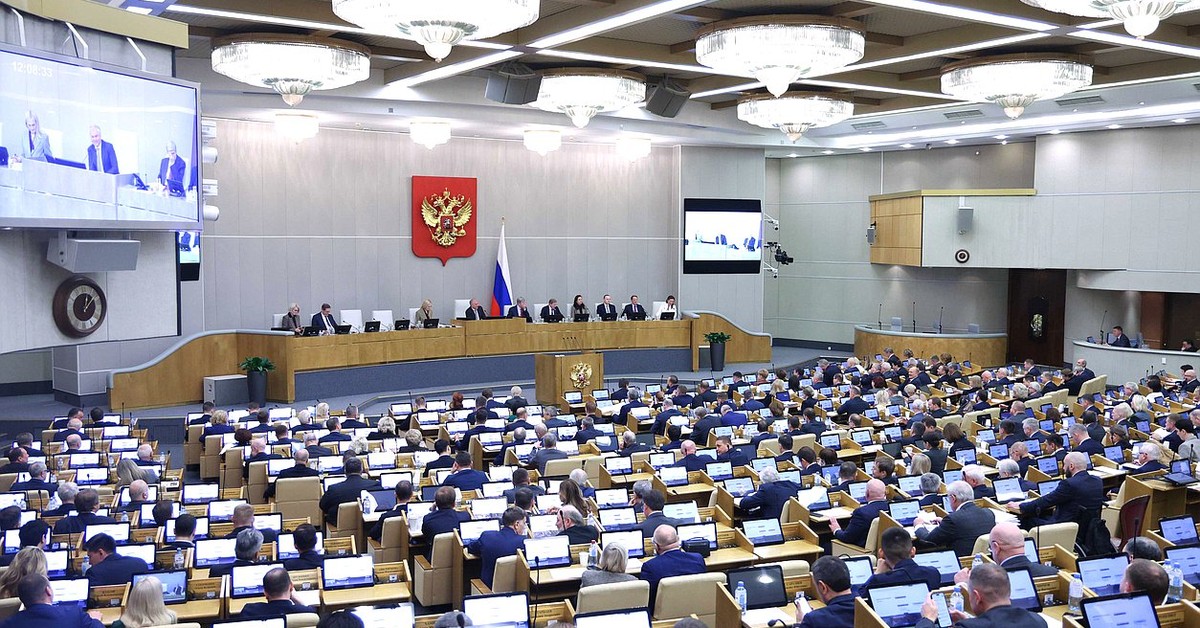
MOSCOW — Russia’s lower house of parliament approved a 2027-2029 state budget on Tuesday and separately passed a series of tax increases to help pay for Moscow’s war in Ukraine, according to The Associated Press.
The budget sets aside about 17.15 trillion rubles ($208.9 billion) for national defense in 2027. That is up from 12.93 trillion rubles ($157.5 billion) in 2026, and well above the 13.6 trillion rubles ($165.7 billion) forecast for 2027 in last year’s budget.
Deputies approved the bill with 396 votes in favor and 37 abstentions, Interfax reported. No deputy voted against it. The bill now goes to the Federation Council, Russia’s upper house, for approval, and then to President Vladimir Putin for his signature.
Interfax, reporting the budget’s main figures, said revenue is projected at 43.3 trillion rubles in 2027, with spending planned at 48.74 trillion rubles. The deficit would come to 5.44 trillion rubles, or 2.2% of gross domestic product. The plan assumes GDP of 248.323 trillion rubles in 2027 and inflation of up to 4% in each of the three years.
The tax package is narrower than earlier rounds of increases, which proved unpopular among small businesses. It includes a windfall profits tax of 20% to 30% on mining companies that have benefited from rising prices for iron ore, nickel and gold.
Another measure raises the tax on income from interest, dividends and the sale of property to between 13% and 22%. That income is now taxed at 13% on amounts under 2.4 million rubles ($29,800) and 15% above that level.
Other changes taking effect Jan. 1 include a charge of 100 rubles per parcel and a 22% value-added tax on online purchases of foreign goods worth less than 200 euros ($219). Those purchases are currently exempt.
Dmitry Kobylkin, head of the parliamentary faction for the ruling United Russia party, called the bill a “victory budget” in a statement. He said it included spending on national defense and care for veterans and their families, as well as state social support.
Additional money for veterans’ programs was added before the bill’s second reading, the Russian state news agency Tass reported. The programs include Time of Heroes, a Kremlin-backed effort that prepares former soldiers for careers in government.
Russia’s deficit has grown beyond forecast this year on heavy military spending and slow economic growth. Sanctions, high interest rates for companies outside the military sector, labor shortages and Ukrainian strikes on oil refineries and export terminals have added to the strain.
Chris Weafer, chief executive of the consultancy Macro-Advisory Ltd, told the AP in October that Russia has enough financing to cover its deficit in 2027 and probably 2028. “But that is at the expense of raising taxes, of increasing costs for households as well as businesses,” he said.
On the streets of Moscow, residents linked the rising taxes to the war. Homemaker Oksana Savitskaya said she believed the situation would worsen until the end of what the Kremlin calls its “special military operation” in Ukraine.
“It seems to me that the economic instability right now and the rise in taxes is bad for development, for small businesses, for example. It’s bad for the everyday person.”
Retired journalist Boris Khizhnyak said the year ahead would be “complicated.” The war, he said, would bring economic adjustments first of all.