

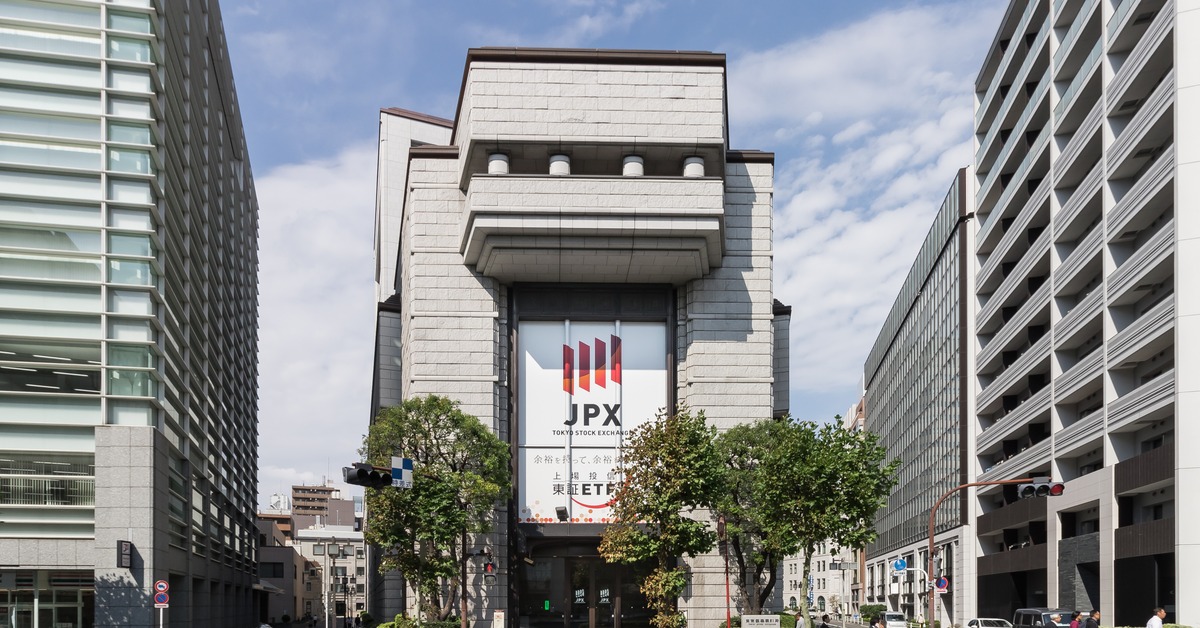
TOKYO — The selling started in New York and landed in Tokyo by morning. Japan’s Nikkei 225 closed down 6% on Friday at 57,434.77, according to The Associated Press, as the rout in artificial intelligence stocks spread across Asia.
The drop was 3,643.13 points, the index’s third-biggest point fall ever, Reuters reported. The Nikkei slipped below 60,000 for the first time in nearly half a year. For the week it lost 9.3%, its worst weekly showing since March 2020, in the early days of the pandemic.
Almost nothing in Tokyo was spared. Of the Nikkei’s 225 stocks, 222 fell and only three rose, Reuters reported, and the broader Topix index dropped 5.9%. SoftBank Group, a heavy investor in technology startups, slumped 10.8%. Chip-testing equipment maker Advantest fell 5%.
Seoul took the harder hit early on. South Korea’s Kospi plunged more than 8% in early trade, and the Korea Exchange halted all stock and derivatives trading for 20 minutes at 9:03 a.m., Reuters reported. By the close, Seoul had clawed back some of that ground. The Kospi finished down 6%, at 5,059.69, with Samsung Electronics and SK Hynix among the big losers, the AP reported.
Hong Kong finished lower as well — the Hang Seng down 1.3%, at 24,481.86. In Shanghai, the composite index eased 1.1% to 3,649.18, and Australia’s S&P/ASX 200 gave up 0.5%, closing at 9,020.80.
Europe opened lower, too. In Paris, the CAC 40 was off 1.2% in early trading, at 8,107.20. Frankfurt and London followed Paris down: the DAX lost 1.4%, to 25,961.60, and the FTSE 100 fell 1.5% to 10,625.40. Across the Atlantic, futures were split — the Dow’s down 0.9%, the S&P 500’s up 0.1%.
Why Markets Are Falling
The stocks under pressure are the same ones that rode the AI boom up. Investors are now asking whether the borrowing and spending behind the build-out of data centers can pay off, and critics say prices ran too far, too fast. The Democrats’ win in Tuesday’s U.S. midterm elections adds another worry for the sector: the prospect of tighter regulation, including at the state level, where resistance to new data centers remains strong.
Thursday was Wall Street’s worst day since President Donald Trump shook markets worldwide in April 2025 with his “Liberation Day” tariffs. The losses more than erased the gain U.S. stocks had posted the day before, their best in three months.
“Of course, the selloff in companies that have so long whetted investors’ appetite could create buying opportunities at a discount,”
Crude stayed near flat through it all. U.S. crude rose 0.2% to $90.69 a barrel; Brent eased 0.1%, to $98.28. The dollar, for its part, bought 158.26 yen, up from 157.68 yen.
Have something to promote?
Bring your business, services or event to our readers.