











Key Points
- Fairfax supervisors voted 6-4 to keep Flock license plate readers with tighter rules.
- Data retention drops from 21 days to seven, and access is limited to about 50 officers.
- Staff will report back Dec. 15 and evaluate moving away from Flock technology.
FAIRFAX, Va. — Fairfax County supervisors voted 6-4 on Tuesday to keep police use of Flock Safety license plate readers but to tighten the rules around them, after the Fairfax County Board of Supervisors approved new restrictions on the stationary cameras.
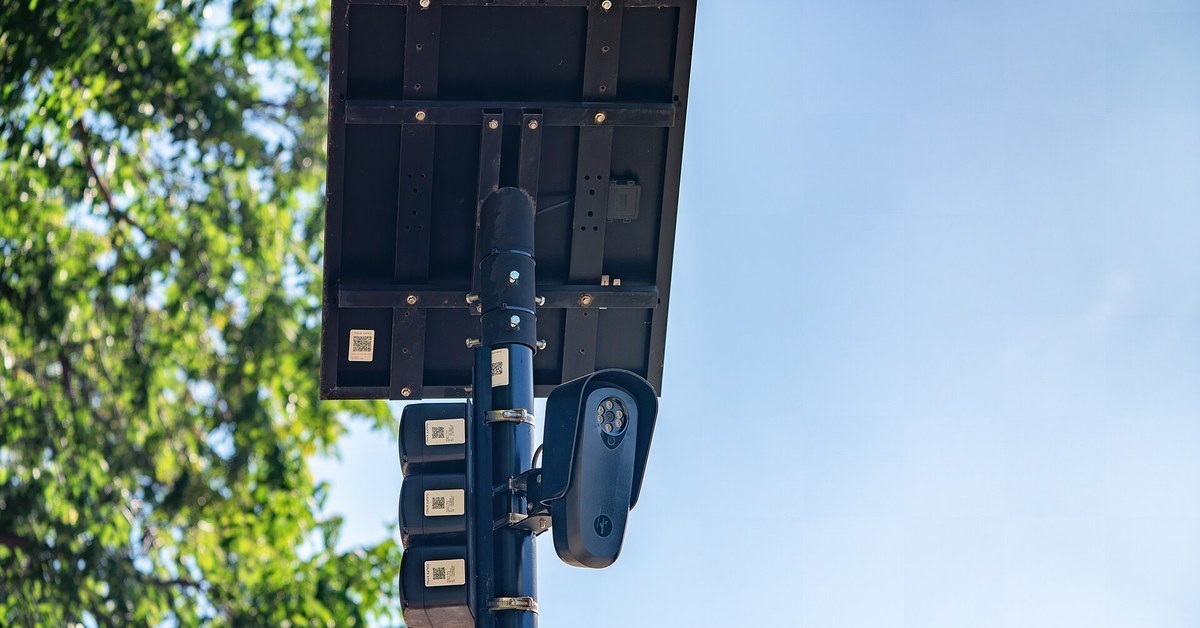
The resolution, sponsored by Board Chair Jeff McKay, continues the ban on expanding public Flock cameras that supervisors put in place on Sept. 15. It cuts how long police can keep the data from 21 days to seven days, the county said.
Access will narrow too. Only officers assigned to the Fairfax County Police Department’s Real Time Crime Center, about 50 sworn officers in all, will be able to use the data, according to the account of the vote reported by FFXnow.
Supervisors also voted to refuse to share data with other law enforcement agencies unless the law requires it, while the region works on a shared policy. Data now held on the Amazon Web cloud is to move to servers the county owns and controls.
The county will publish where its Flock cameras are and what criteria guide their placement. Private owners of similar readers will be encouraged, not required, to follow the county guidelines, because the county has no power to regulate the hundreds of privately operated cameras in Fairfax.
McKay called his proposal a compromise. “I think this strikes the right balance,” he said when he introduced it, according to FFXnow.
“I just can’t say ‘stop’ until we have better things in place,” Supervisor Kathy Smith said. Smith, who represents the Sully District, provided the swing vote and said she understood concerns on both sides about safety and privacy.
Four supervisors wanted to go further. Dalia Palchik, Rachna Sizemore Heizer, Jimmy Bierman and Andres Jimenez pushed to suspend the police department’s Flock contract for a time or end it altogether.
“A better path is to pause,” Sizemore Heizer said. Palchik said supervisors recognized the tool could be useful, but added that “the core issue is trust.”
Police currently operate 84 Flock cameras, a number frozen in September. Private property owners also provide images from an estimated 120 cameras to police for investigations, FFXnow reported.
McKay said the cameras had contributed to arrests of people on 1,776 felony and 921 misdemeanor charges, the recovery of 68 guns and the resolution of 60 missing-person cases. He said county police had not been accused of misusing the system.
County staff were directed to put the changes in place as quickly as they can. Supervisors are to get an update at a special Safety and Security Committee meeting on Dec. 15, and the resolution also tells staff to evaluate options to transition away from Flock Safety technology.