

WASHINGTON — Immigration judges will not get back, for now, the power to take deportation cases off their active dockets and leave them there.
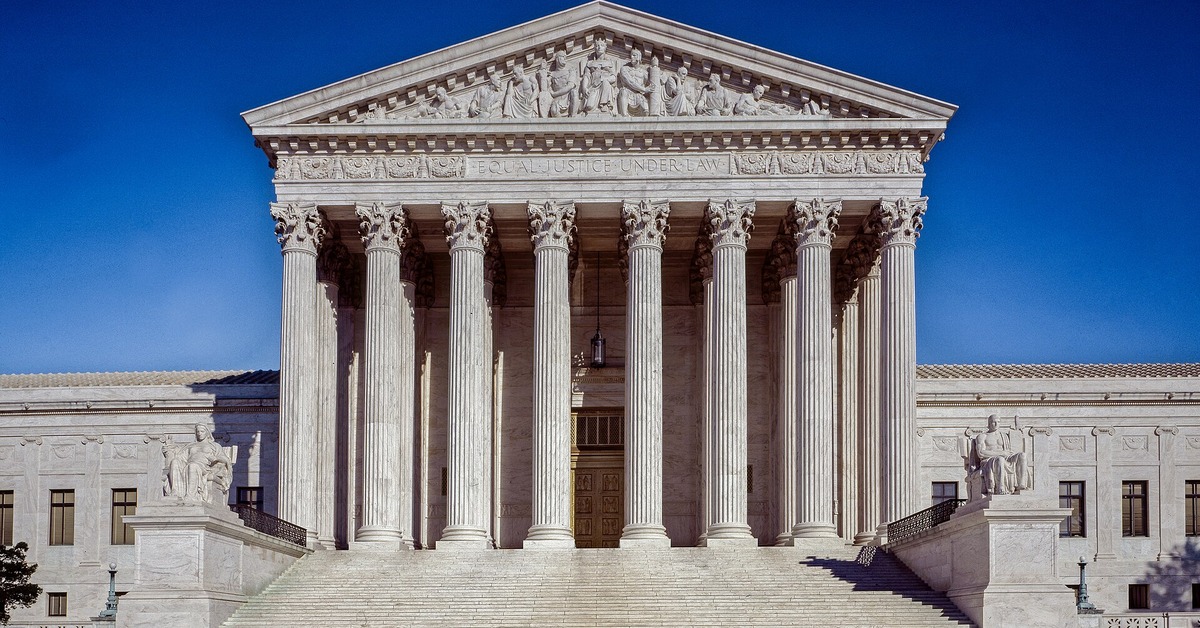
The Supreme Court turned down an emergency request on Tuesday, according to Reuters. Three U.S. cities, Baltimore among them, and an immigrant legal advocacy group had asked the justices to halt a deal that ended the practice, known as administrative closure, while the fight over it continues in court.
No justice publicly dissented. The order itself was brief — one sentence, with no explanation, which is common for emergency requests.
The deal at the center of the case came together fast. Texas sued to challenge the procedure on June 22. That same day, the Trump administration filed an agreement with the state in a federal court in Texas, and a federal judge approved it the same day.
Baltimore and the other litigants say that sequence was improper. In their telling, the federal government colluded with Texas to get the rule wiped out.
Judges had used administrative closure for decades. It let them clear a case off a crowded docket when something else was still pending for the same person — a visa petition, for instance, or an appeal of a criminal conviction that could change whether removal was possible at all.
Over the years the practice was applied in hundreds of thousands of deportation cases.
Texas and the Trump administration have long argued against it. Their view is that shelving a case lets people who lack legal status stay in the United States indefinitely, which amounts, in effect, to an amnesty.
Ending administrative closure fits with President Donald Trump’s hardline approach toward immigrants. Tuesday’s order does not end the underlying litigation, but it leaves the bar in place while that litigation goes on.
Have something to promote?
Bring your business, services or event to our readers.