

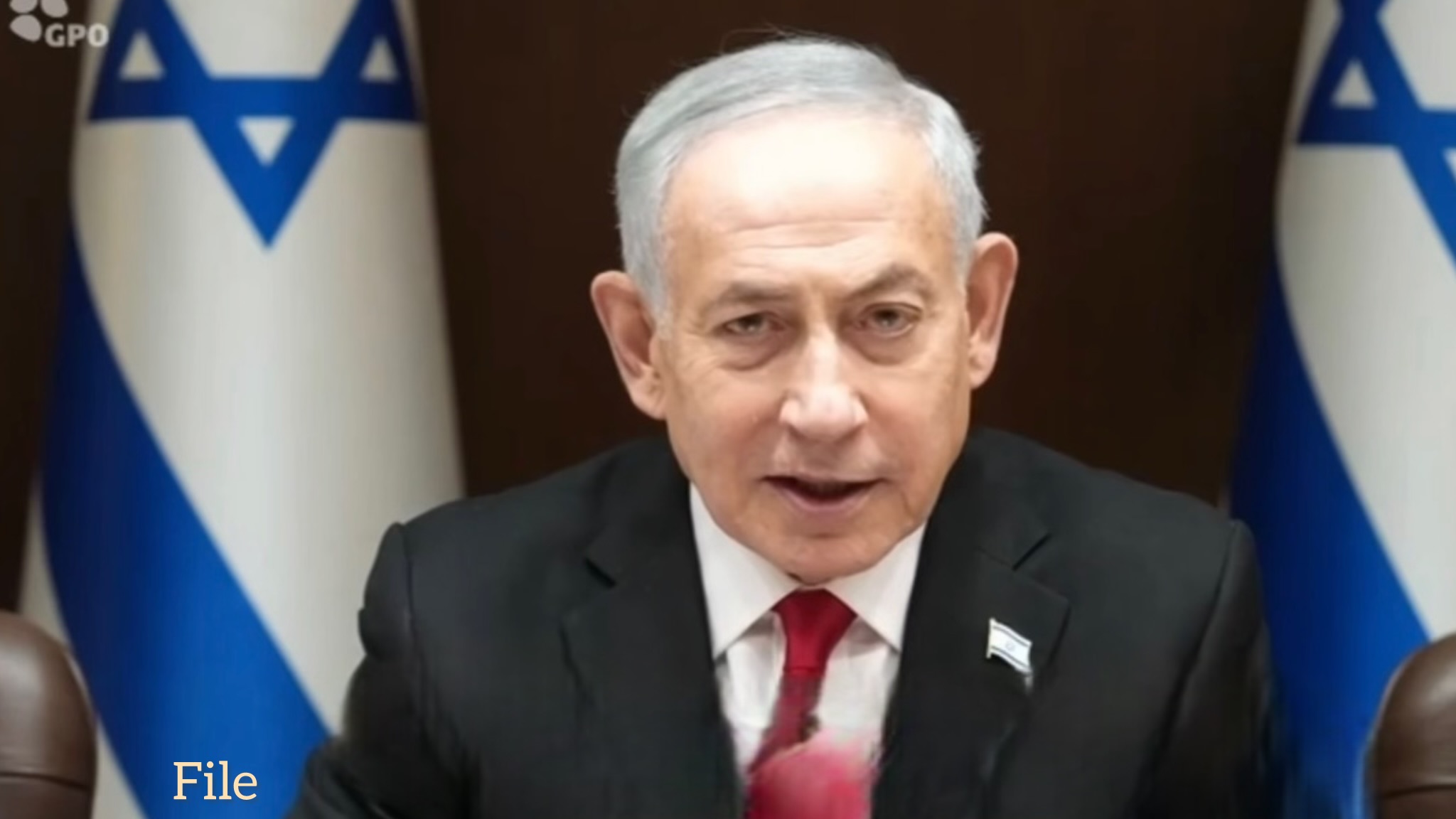
JERUSALEM — Israelis went to the polls Tuesday in a Knesset election that could end Benjamin Netanyahu’s long hold on power. Polls showed Likud and its right-wing allies running close against an alliance led by former military chief of staff Gadi Eisenkot.
Voting runs from 7 a.m. to 10 p.m. for all 120 Knesset seats. According to Reuters, the Central Elections Committee lists 7,331,981 eligible voters and 12,018 polling stations nationwide.
Netanyahu has spent 19 years in office, more than any previous Israeli leader, and is asking voters to judge him on his wartime record. This is the country’s first national election since the Hamas-led attacks of Oct. 7, 2023, the wars in Gaza and with Iran that followed, and a period of deepening international isolation.
He has campaigned on his alliance with President Donald Trump, who endorsed him and joined Israel in waging war on Iran. Netanyahu said on Sunday that Trump was prepared to act again to “finally” remove the Iranian threat, but only if Netanyahu remained in power, Reuters reported.
Eisenkot has accused Netanyahu of “relying on a campaign of fear-mongering, lies and threats,” and said he was confident Trump would work “in full cooperation with any leader chosen by the people.”
For many of Netanyahu’s opponents, the vote turns on accountability for the security failures of Oct. 7, Israel’s deadliest day. Hamas-led militants killed 1,200 people that day and took another 251 hostage. Gaza health authorities say Israeli attacks in the offensive that followed killed 74,000 people.
Mali Hajaj, an Education Ministry employee backing Eisenkot, said “the most important thing is the establishment of a national inquiry because that’s where our healing will come from.”
Nof Gabay, an 18-year-old Likud supporter, did not blame Netanyahu for Oct. 7 and called him “the right man for the state of Israel.”
“Netanyahu managed the war in the best possible way”
Neither side starts the day with a clear path to the 61 seats needed to govern. Netanyahu may again need far-right leaders Itamar Ben-Gvir and Bezalel Smotrich, both of whom have faced sanctions from some Western countries that accuse them of inciting violence against Palestinians. Ben-Gvir’s Jewish Power party has gained support in opinion polls.
Eisenkot has ruled out partnering with Arab parties, citing a lack of shared values. Analysts see a possible scenario in which those parties prop up a minority government led by Eisenkot in order to ensure Netanyahu is removed from office, and a high turnout among Arab minority voters could shift the arithmetic his way.
If neither man can form a coalition, Netanyahu could stay on as caretaker until another election is held next year.
“My expectation is that we will have only a slight majority either way. No landslide,” said Amotz Asa-El, an Israeli political analyst at the Shalom Hartman Institute.
Have something to promote?
Bring your business, services or event to our readers.