

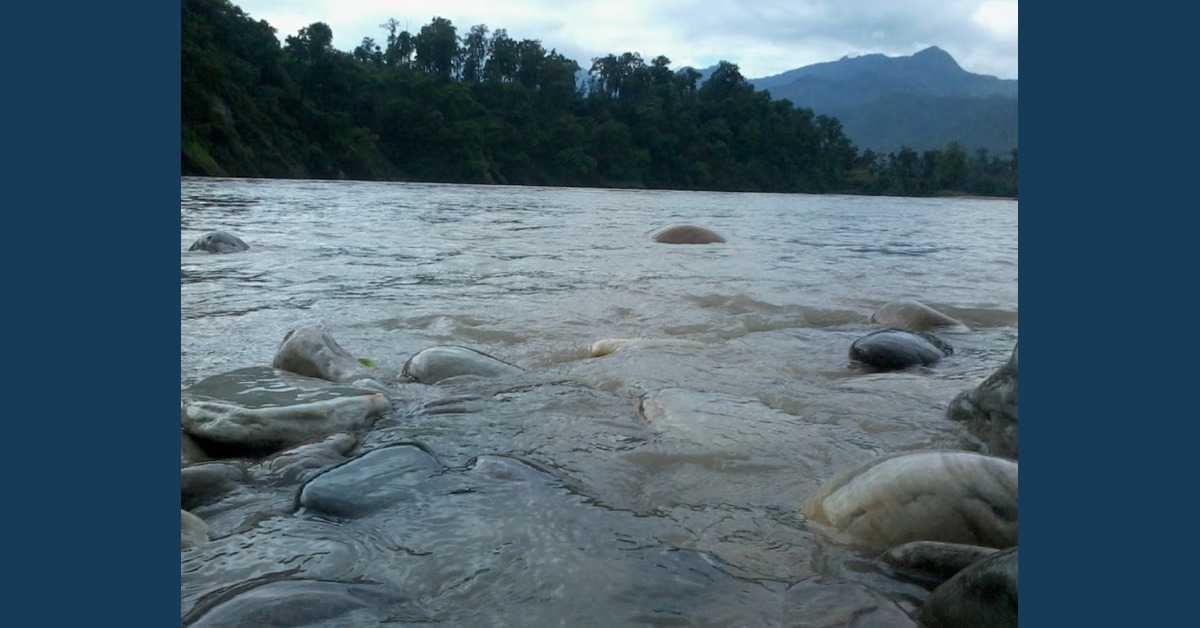
The Fund for responding to Loss and Damage has provisionally set aside $21.6 million for Nepal following the Bhote Koshi flash floods, the fund announced Thursday.
At its first extraordinary meeting, the board agreed to let Nepal submit a funding request outside the usual application period. The pilot arrangement falls under the fund’s Barbados Implementation Modalities.
The decision reserves money from the fund’s available commitment authority. It does not announce a completed payment to Nepal.
An avalanche of ice and rock on Aug. 26 triggered the flooding, according to the Fund for responding to Loss and Damage. Debris swept downstream through Nepal’s Bhote Koshi-Trishuli-Narayani river system.
The fund described the avalanche as climate-induced. Its release said many people died and others remained missing, but gave no figures. It did not include an assessment supporting the link to climate change.
Damage assessments remain underway. Preliminary estimates point to extensive economic losses, according to the fund, which expects recovery and rebuilding costs to put extraordinary pressure on Nepal’s finances.
The release also described losses beyond money, affecting people and the ecosystems on which they depend.
“The people of Nepal have shown incredible resilience,” said Camila Minerva Rodríguez Tavárez, a co-chair of the fund’s board.
Nepal formally requested assistance in an Aug. 31 letter. Board consultations continued through September and October before the extraordinary meeting on Oct. 22.
Georg Børsting, the board’s other co-chair, said the disaster showed how climate-related events were straining traditional international support systems. He said the fund could address needs that other financing mechanisms do not cover.
The fund was established to help developing countries particularly vulnerable to climate change. Its mandate covers economic and non-economic losses from extreme weather and slower climatic changes.
The announcement comes ahead of the U.N. climate conference, COP31, in Antalya. Executive Director Ibrahima Cheikh Diong said the decision opened a path to supporting Nepal’s recovery.
The secretariat will review lessons from the response as work continues on the fund’s long-term operating model. The board specified that the Nepal arrangement would not determine that model’s design.
Have something to promote?
Bring your business, services or event to our readers.