

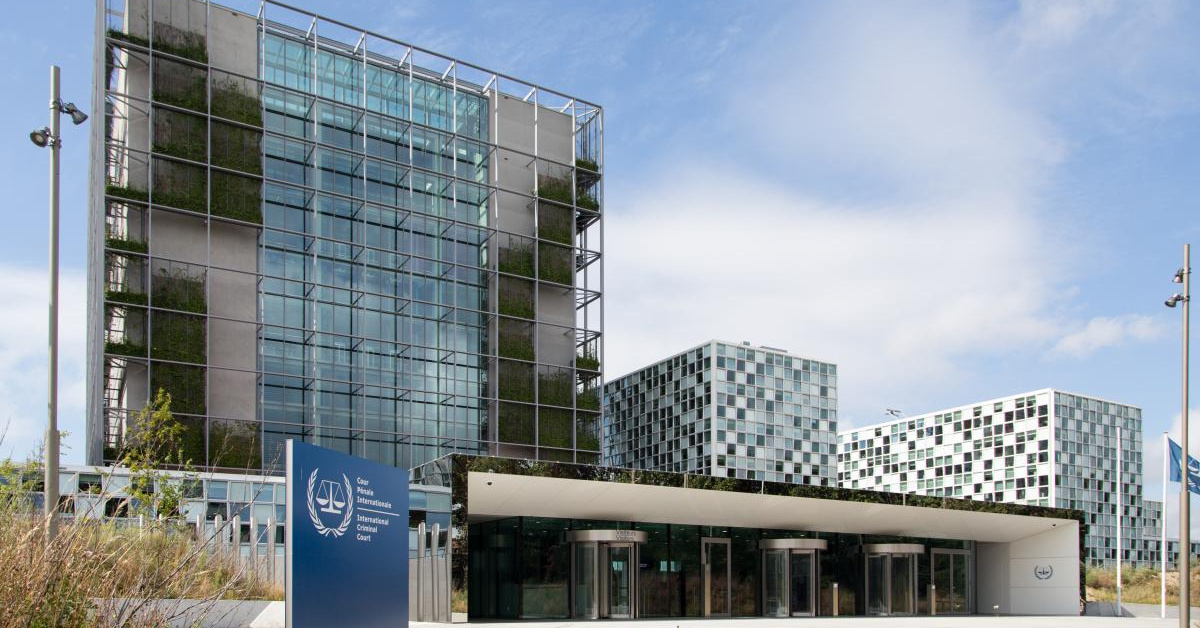
The United States has sanctioned the International Criminal Court as an institution, a step the court rejected as an attack on the rule of law while vowing to keep working.
Secretary of State Marco Rubio announced the measure Friday in a State Department statement. Washington will bar transactions with the court, he said, to cut off its resources and cripple its ability to operate.
The sanctions are not yet in effect. Rubio said they were designed to give the court’s member states a chance to negotiate a solution to U.S. concerns, and the European Union noted Washington’s decision to delay their entry into force.
The court called the move unprecedented. It follows earlier U.S. designations against 13 of its judges and prosecutors.
According to the court, the sanctions are an attempt to obstruct justice, disrupt its operations and intimidate people who work for it or assist it.
ICC President Tomoko Akane said the court would keep carrying out its mandate “with independence and impartiality, acting only on the basis of the law and the evidence.”
Created by treaty, the ICC has 125 member states and handles cases of genocide, crimes against humanity, war crimes and the crime of aggression. The court said it had worked with those states to keep operating and urged them to take concrete steps, including making sure it has the means to continue.
Washington’s case
Rubio said Republicans and Democrats have rejected for decades the idea that the court could prosecute Americans, and he noted the U.S. never joined it. President Donald Trump, he said, will never allow such prosecutions.
He accused foreign experts of seeking to prosecute U.S. service members, Border Patrol agents and elected leaders.
For more than a year, Rubio said, the U.S. had looked for simple good-faith gestures from the court and held off on the designation in hopes it would change course. Neither the court nor its member states had taken meaningful steps, he said.
“Either the ICC will end its threats, or we will end the ICC.”
Rubio urged allies that belong to the court to rein it in and warned that otherwise the U.S. would keep working to dismantle it.
Allies push back
In a statement Saturday from its high representative, the EU said it deeply regretted the sanctions and urged the U.S. to reverse them. The bloc called attacks or threats against the court, its staff and those cooperating with it unacceptable.
The EU welcomed Washington’s readiness to discuss its concerns with member states, saying the delay leaves room for diplomacy. It pledged to help protect the court and its staff.
The bloc also rejected the idea that the ICC targets sovereign states. Under the principle of complementarity, it said, the court steps in only when a country is unwilling or unable to genuinely investigate or prosecute. Those rules recognize the primacy of national courts such as the U.S. legal system, according to the EU.
Foreign ministers from Canada, Denmark, Germany, France, Italy, Japan, the Netherlands and the United Kingdom also said they strongly disagreed with the sanctions in a joint statement Friday published by the Dutch government.
If implemented, the ministers warned, the measures would significantly affect the court’s work, staff and their families. They also credited the court’s preparations to keep functioning and pledged continued support.
The eight governments said they would pursue dialogue with countries outside the court before the Assembly of States Parties in December. Rubio said the U.S. would adjust its approach if negotiations fail.