

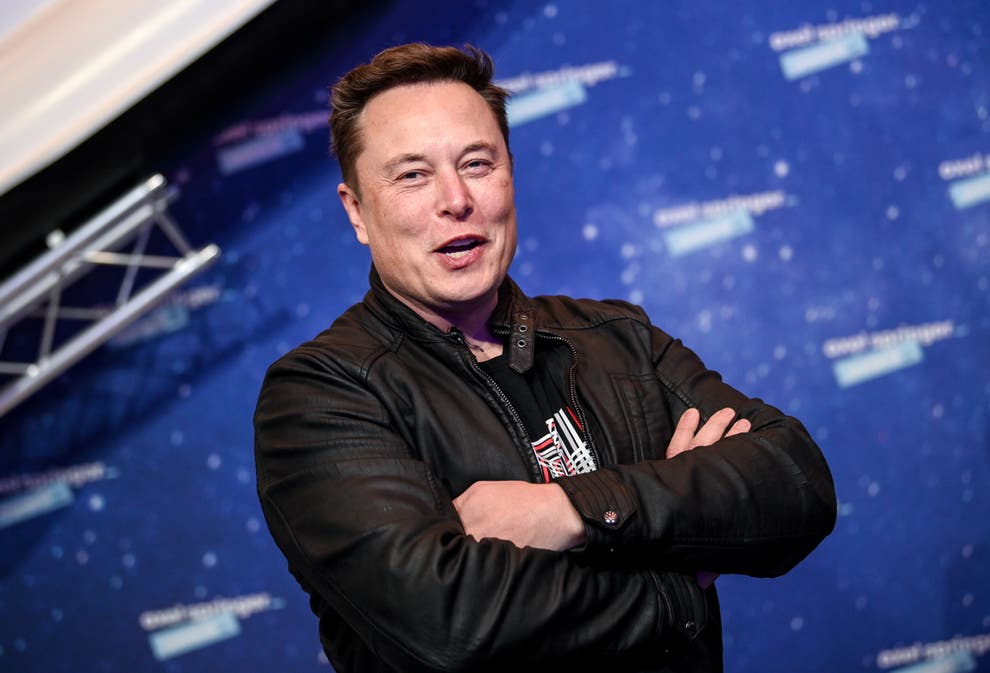
Elon Musk sarcastically called Mukesh Ambani “Prime Minister Ambani” on Friday and accused him of obstructing competition from Starlink, while India’s government rejected allegations that its satellite internet approval process favors particular companies.
In his X post, Musk offered a mock apology for failing to recognize Ambani as India’s “real boss.” He then asked whether the businessman would “consider allowing Starlink to compete.”
Musk provided no evidence in the post that Ambani controls the approval process or has prevented Starlink from beginning commercial services.
The Indian government’s account differs from Musk’s portrayal. In an Oct. 8 statement, the Ministry of Communications said three satellite communications operators had received telecom licences and were undergoing security assessments.
Every operator must demonstrate compliance with licence conditions intended to protect customers and their data, the ministry said. Once an operator completes that assessment, it can seek assignment of spectrum.
“At present, all the three entities are at broadly the same regulatory stage,” the statement said. The ministry described allegations of unfair or discriminatory treatment as “baseless and misconceived.”
Starlink already holds an Indian telecom licence, Reuters reported. Its commercial launch still depends on meeting security requirements and obtaining spectrum. Reliance Jio did not respond to Reuters’ request for comment on Musk’s allegations.
Musk’s latest remarks followed an earlier post asking whether Ambani was India’s “real boss” and questioning the time taken to approve Starlink’s operations. His mock prime ministerial title suggested that the businessman wielded authority over government decisions. That allegation remains unsubstantiated.
In Friday’s post, Musk argued that satellite internet could help children access education and allow small businesses in areas without connectivity to reach overseas customers.
In another statement supplied for this article, he claimed Starlink had helped save lives during natural disasters when other communications systems failed. He argued that allowing the service to operate would offer similar benefits in India.
Three Indian political figures have commented on the dispute, offering sharply different responses.
Communications Minister Jyotiraditya Scindia rejected the monopoly allegation Friday. “India does not allow a monopoly in any sector,” he told reporters, according to Reuters.
Opposition leader Rahul Gandhi responded to Musk’s earlier remarks Thursday with a cryptic message: “Welcome to India, Elon. Wait till you discover the other guy.”
Gandhi did not identify that person. Musk thanked him and described the situation as troubling, The Times of India reported.
Bharatiya Janata Party leader Ram Madhav defended the approval process Friday, saying Jio and Airtel were also awaiting spectrum allocation. Decisions would follow Indian law without discrimination, he told reporters, according to Press Trust of India.
Some of the X responses supplied for this article turned Musk’s argument about competition back on him, addressing him with mock presidential titles. Those replies could not be independently retrieved.
In the supplied text, @vijswam questioned whether Musk’s support for market access should also apply to Chinese automakers such as BYD seeking to sell vehicles to American consumers.
The account asked where protecting national interests ends and protecting businesses from competition begins.
Another supplied reply, from @kalkiverxe, accused Musk of applying different standards to Tesla and Indian companies. Its description of Tesla as a monopoly was the commenter’s allegation, not an established finding.
An additional, unattributed comment joked about Indians using Grok on Musk’s platform and Ambani’s internet service to mock him. The commenter’s identity and the circumstances described were not independently verified.
The ministry’s statement sets out the remaining regulatory steps: operators must finish their security assessments before seeking spectrum assignment. It gives no date for completion or the start of commercial services.
This is a developing story. This article will be updated as more verified information becomes available.