
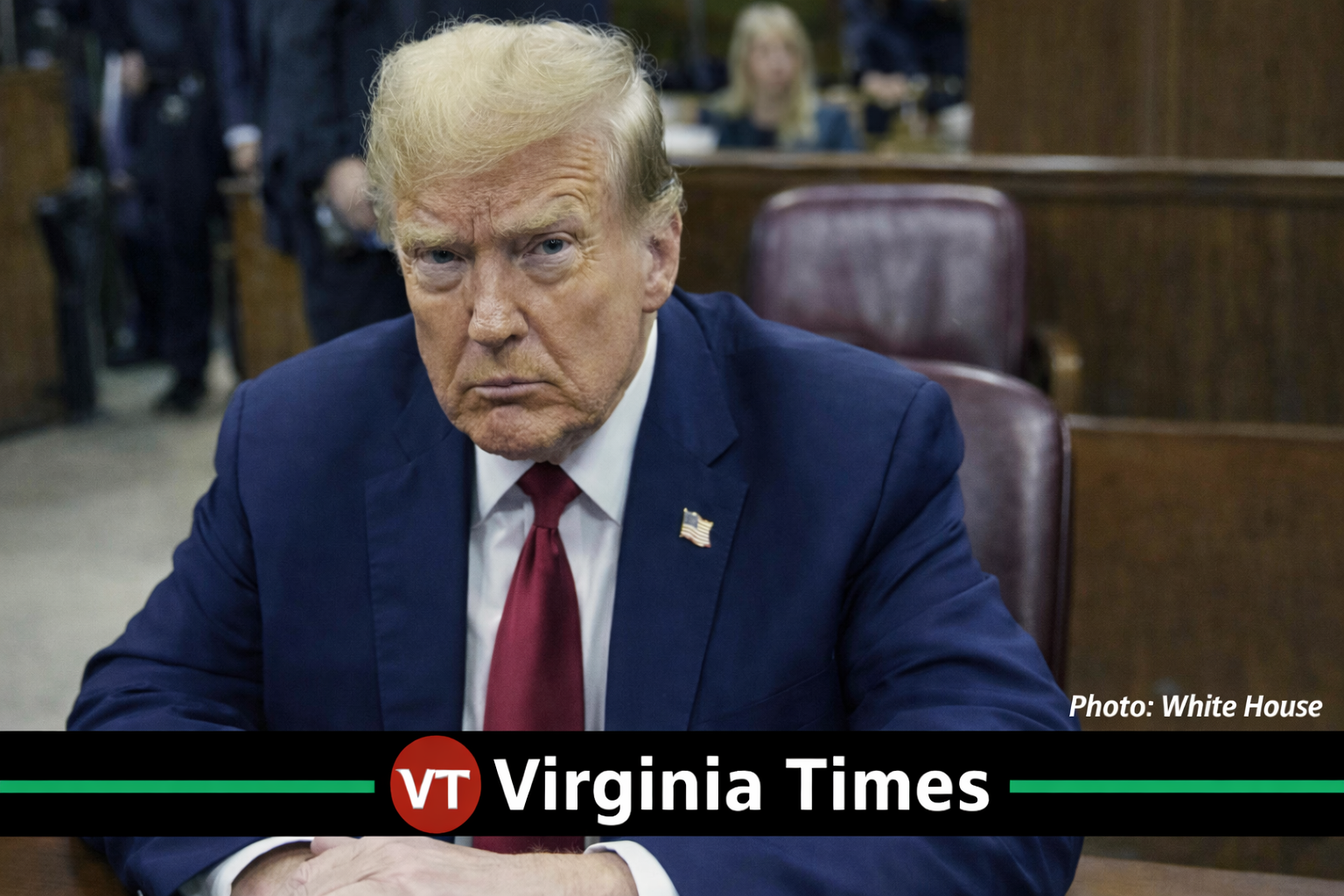
President Donald Trump signed a proclamation on Friday, which includes a 10% tax on most imported items into the US. Trump said this is in response to “fundamental international payments problems” and the “large and serious” balance of payments deficit. The tax will be in effect from 12:01 a.m. Eastern time on February 24 and will last for 150 days, or until July 24, unless Congress decides to suspend, modify, terminate, or extend it. Source: White House
This tax is an ad valorem duty, which is essentially just another word for customs duties. Its intent is to limit imports to deal with balance of payments problems, which have been persistent and, according to Trump’s advisors, have risen to the point where they threaten US economic and security well-being.
There is also a wide range of exemptions, including “critical minerals,” “energy and energy products,” “pharmaceuticals and pharmaceutical ingredients,” and “certain agricultural products, such as beef, tomatoes, and oranges.” In addition, “electronic items,” “passenger vehicles,” “certain vehicle types and parts,” “certain items in the aerospace industry,” “information materials and donations,” and “articles already subject to other import restrictions imposed under Section 232” are all exempt from this tax. There is also an exemption for “qualifying duty-free items from Canada and Mexico under the USMCA,” and “certain textile and apparel products covered by the Dominican Republic-Central America-United States Free Trade Agreement.”
The proclamation also includes a limited “in transit” exception for goods that are already on board and on their final leg of transportation when the surcharge goes into effect, but enter for consumption before 12:01 a.m. Eastern on February 28.
For background, the proclamation cites its authority under Section 122 of the Trade Act of 1974, which grants a president authority to provide for imposition of temporary import surcharges for 150 days. The proclamation cites the United States trade deficit in goods of about $1.2 trillion in 2024, “and at roughly the same level in 2025.” The current account deficit, it asserts, was 4 percent of GDP in 2024. The proclamation also cites a “sharp” net international investment position, which it asserts had deteriorated to about -90 percent of GDP at year-end 2024.
Action on Suspension, Modification, or Termination
The proclamation requires the United States Trade Representative to review balance of payments conditions and provide advice on whether the surcharge should be suspended, modified, or terminated.

A global media for the latest news, entertainment, music fashion, and more.