
The Joint Interagency Task Force 401 on Monday released a new guide detailing how US counter-drone technology detects possible threats and operates under privacy and surveillance laws, according to Department of War.
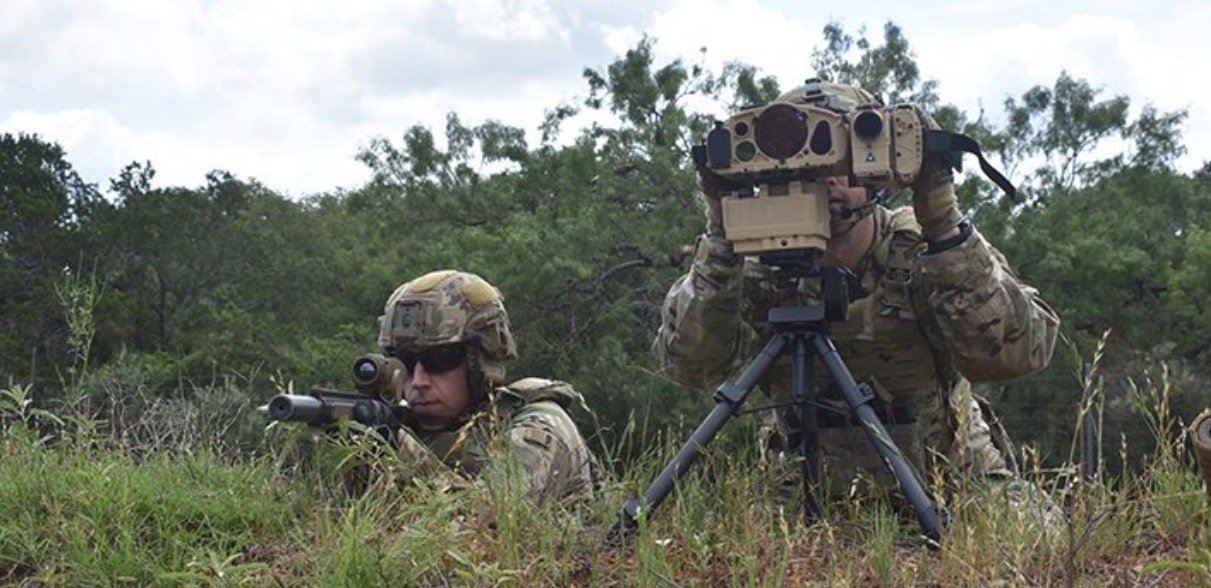
The document, titled “Counter-UAS Operations: Safeguarding Freedoms and Preserving Privacy,” explains how US counter-drone technology detects small unmanned aerial systems using different types of sensors and how those systems operate under the law. According to JIATF-401, the guide covers passive and non-intrusive technology, including radar, electro-optical, infrared, and radio frequency sensors.
Brig. Gen. Matt Ross, director of JIATF-401, said drone threats are no longer limited to combat zones.
“Countering drones is not just a battlefield problem – it’s a homeland defense imperative,” Brig. Gen. Ross said in the statement announcing the guide’s release. “Our task force is working to network sensors, effectors, and mission command systems in a distributed network to protect our service members and civilians from drone threats.”
The release said a central part of the guide is how these systems comply with federal surveillance law. Rather than capturing the content of transmissions, the systems analyze the physical characteristics of a signal, described as its “signal fingerprint,” to identify the type and location of a drone.
Col. Scott Humr, JIATF-401’s deputy director of science and technology, said the effort is built around “privacy by design,” with data minimization and secure handling procedures intended to protect civil liberties while addressing threats.

A global media for the latest news, entertainment, music fashion, and more.