









KEY POINTS
- Australia imposed counterterrorism financing sanctions Friday on Zohair Hassib and Kazem Hamad, naming them publicly for the first time.
- The government says the two used a chain of proxies to direct 2024 arson attacks on the Lewis Continental Kitchen in Sydney and the Adass Israel Synagogue in Melbourne on behalf of Iran’s IRGC.
- Dealing with their assets is now a criminal offense, and breaches of Australian sanctions law carry up to 10 years in prison, heavy fines or both.
Australia on Friday imposed counterterrorism financing sanctions on two individuals it says orchestrated antisemitic arson attacks in Sydney and Melbourne in 2024 on behalf of Iran’s Islamic Revolutionary Guard Corps.
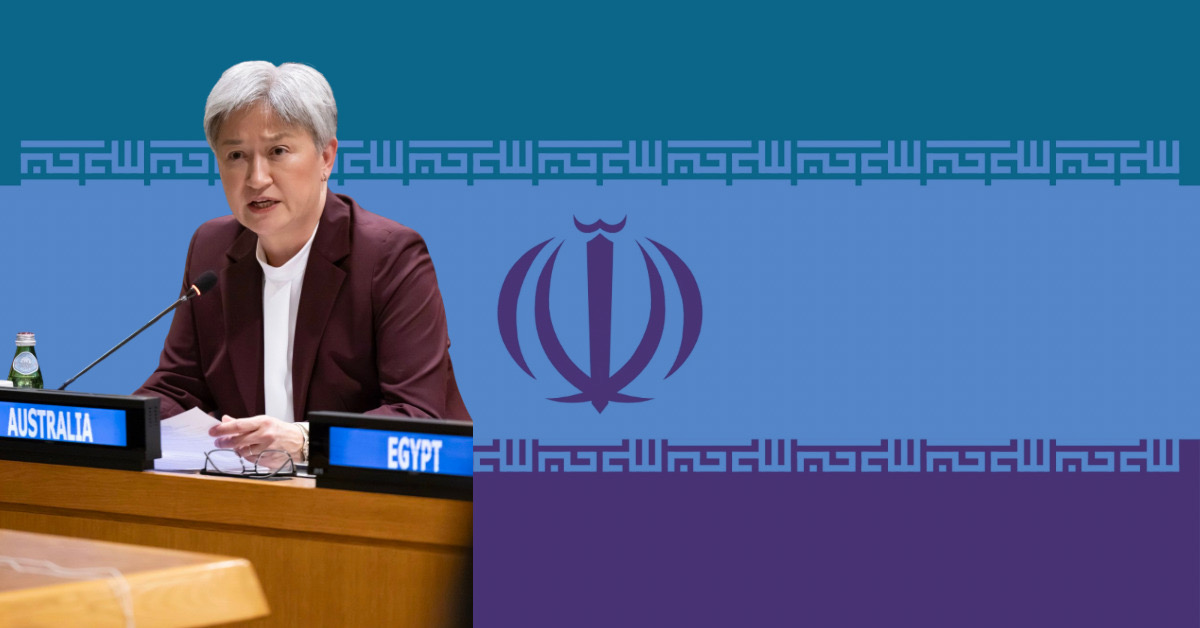
Zohair Hassib and Kazem Hamad were named publicly for the first time in a media release from Foreign Minister Penny Wong. According to the release, the two are assessed to have used a complex chain of proxies to direct the attacks on the Lewis Continental Kitchen in Sydney and the Adass Israel Synagogue in Melbourne.
Their activities were referred to in the Australian Security Intelligence Organisation’s Annual Threat Assessment, delivered in June. They had not been publicly named until Friday.
What the sanctions do
The sanctions make it a criminal offense to use or deal with either individual’s assets, or to make assets available to them. Sanctions of this kind restrict terrorist actors’ access to funds and disrupt their ability to recruit, plan and carry out attacks, the release says.
A breach of Australian sanctions law can bring up to 10 years in prison, heavy fines or both. The Criminal Code Act 1995 adds further penalties for an individual’s dealings with a state sponsor of terrorism.
The government called the sanctions an important step in disrupting the IRGC’s ability to carry out attacks against Australians and Australian interests.
Earlier action against Iran
Canberra accused Tehran over the fires in August 2025. At that time, it held Iran responsible and told Iran’s ambassador to leave Australia.
Australia has taken other steps against Tehran over the attacks. It expelled three more Iranian diplomats, listed the IRGC as a state sponsor of terrorism and suspended operations at its embassy in Tehran.
With the new listings, Australia’s counterterrorism financing sanctions cover 102 persons and entities. The country also lists 30 terrorist organizations and one state sponsor of terrorism, according to the release.
The Albanese government said it will keep acting against terrorism and foreign interference. It also pledged to act against those who seek to harm Australians and divide the country’s communities.
ASIO and law enforcement agencies are still investigating, disrupting and prosecuting acts of terrorism and foreign interference. Australia’s Consolidated List, on the Department of Foreign Affairs and Trade website, has more information on sanctioned persons and entities.