










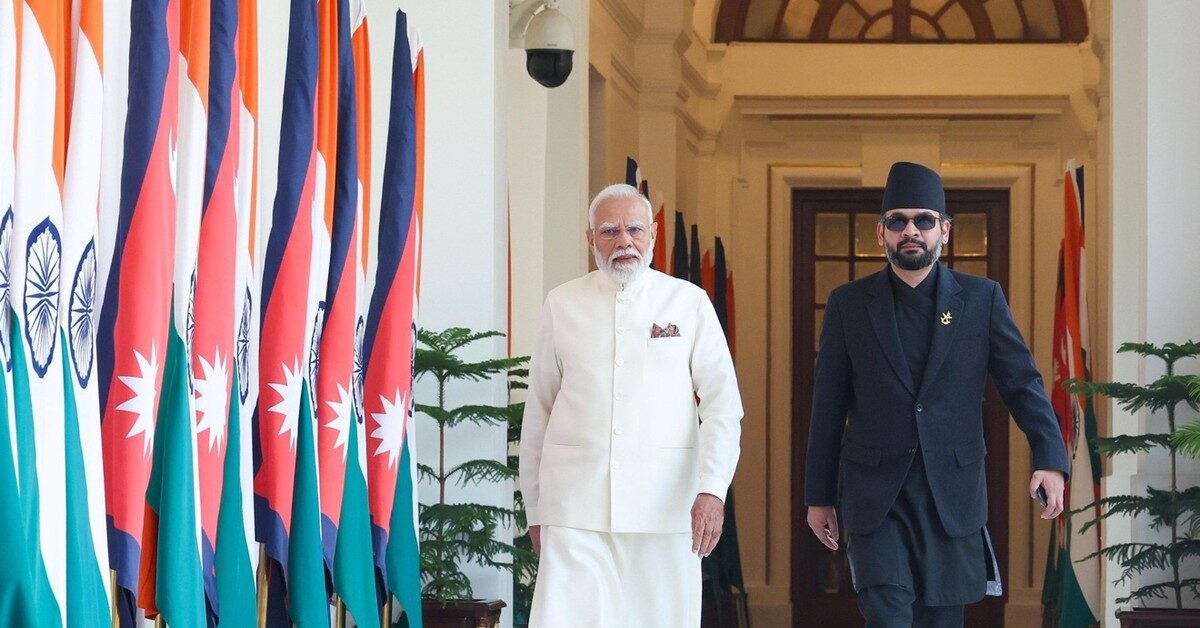
NEW DELHI — Prime Minister Balendra Shah returned to Kathmandu on Monday night at the close of a two-day state visit to India with a development assistance package of NPR 24,000 crore, a new rail service linking Ayodhya and Janakpur, transit access to two more Indian ports and a joint vision document, according to the joint press release issued by the two governments at the close of the visit.
What Balen brings home
The package is made up of grant assistance of INR 3,500 crore for post-disaster reconstruction and new infrastructure projects in Nepal and a rupee-denominated line of credit of INR 11,500 crore for energy sector projects, and the release said specific projects and the modalities for the assistance will be finalised through mutual consultations, and the announcement came less than three months after the August floods that devastated large parts of Nepal.
The visit produced 19 announced outcomes, including the flagging off of the Sarayu-Kamala Express, the foundation stone of the 669 MW Lower Arun Hydroelectric Project, access for Nepal’s transit trade through Deendayal Port at Kandla and Paradip port in Odisha, an offshore IIT campus in Nepal, a start-up incubator and an innovation hub, increased scholarships for Nepali students in India, agreement to make the B345 Kathmandu-Bhairahawa-Lucknow air route bidirectional and eight memorandums of understanding, according to the list of outcomes released after the talks.
How the visit went
Shah was accorded a ceremonial welcome at Rashtrapati Bhavan and paid homage to Mahatma Gandhi at Rajghat and called on President Droupadi Murmu, and his delegation-level talks with Modi at Hyderabad House ran about 100 minutes and included a presentation on the PM GatiShakti programme, according to reports in the Indian press.
Shah said at the joint press conference that the benefits of the agreements reached during the visit must be seen as prosperity in farmers’ fields and must reach young people in the form of jobs and opportunities and must expand students’ dreams into new possibilities, according to the full text of his address, and he formally invited Modi to visit Nepal and Modi accepted the invitation.
What the Indian press made of it
Indian newspapers covered the visit as New Delhi’s first working encounter with the government formed after Nepal’s youth-led uprising, and The Hindu BusinessLine led its report with the INR 15,000 crore package and said the visit provides an opportunity for India to establish a strong bilateral working relationship with Shah’s new government, according to the newspaper.
NDTV compared Shah’s brief stay with the visits of his predecessors, and The Times of India reported on the financing package Nepal had proposed for post-flood reconstruction, and Hindustan Times reported that India had proposed the joint vision document, and The Indian Express reported on the connectivity projects including the Janakpur-Ayodhya rail service, according to a review of Indian coverage published as the visit opened, and wire reports described Shah as a rapper-turned-prime minister who took office in March after a youth-led movement against the established parties.
Indian television and digital coverage kept returning to Shah himself, and Times Now placed Modi’s praise for Shah’s vision at the top of its takeaways from the meeting, and Indian channels replayed the press conference moment where Modi praised Shah’s address to the United Nations and the cameras turned to catch Shah’s reaction, according to the coverage, and reports noted the black topi and the sunglasses he wore through the Delhi programme.
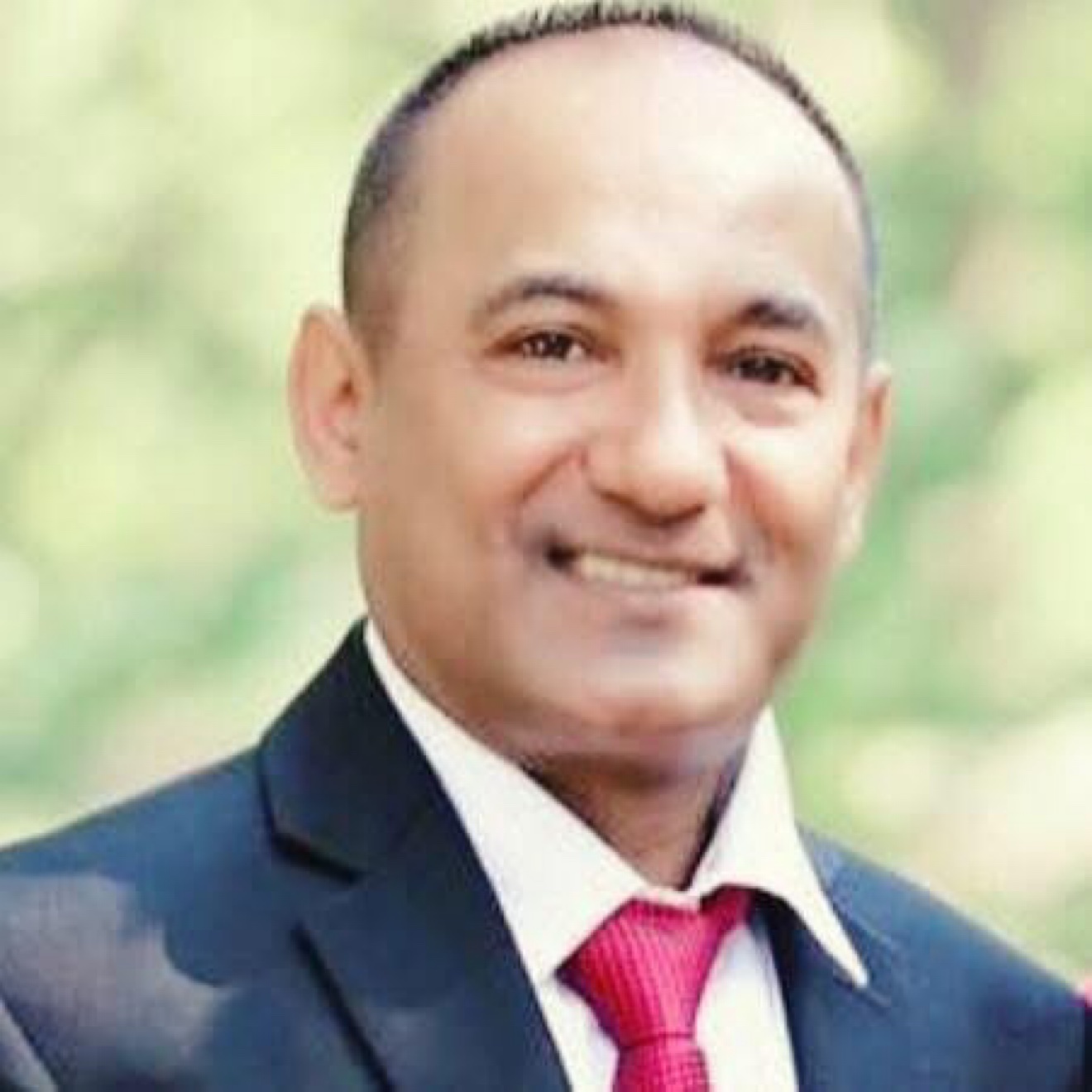
Profiles published during the visit set out the record he carried into the talks, and they described a structural engineer and former rapper who became the first independent mayor of Kathmandu in 2022 and ran the capital with live-streamed meetings and action against illegal construction before leading his party to a landslide election win after the Gen Z protests, according to the profiles, and they noted that he speaks sparingly in public and communicates mostly through social media.
What the Nepali press said
At home, The Kathmandu Post set out its expectations in an editorial published before the visit, and the paper wrote that Shah, with his unconventional rise to power and limited political baggage, has a chance to give Nepal-India relations a fresh direction, and it pressed him to put Nepal’s interests firmly on the table, including the trade deficit with India and the border disputes, according to the editorial.
Nepali coverage of the trip itself kept returning to its style, and one widely shared Nepali video report carried the headline “No family attachment, no salami, no fanfare,” and another report ran under the headline “Smaller team, shorter itinerary” and called the visit a break from tradition, and the same coverage noted debate in Kathmandu over two other breaks with practice, that Shah did not consult former prime ministers and foreign policy experts before the visit and did not brief the President before travelling, according to the reports.
A different kind of Nepali prime minister’s visit
Shah, who is 36, is Nepal’s youngest prime minister and a former mayor of Kathmandu, and his Rastriya Swatantra Party was founded in 2022 and won the election held after the Gen Z protests that forced out the government of K.P. Sharma Oli, according to Indian reports, and newly elected Nepali prime ministers have traditionally made India their first bilateral visit, a practice Oli set aside in 2024 when he travelled to China first, according to The Times of India.
The agenda of the visit was centred on reconstruction, connectivity, energy and young people, and the boundary question appeared in the joint press release in a direction to the foreign secretaries of the two countries to work on the outstanding boundary issues, according to the text of the release.
Shah travelled with a 35-member official delegation, the Ministry of Foreign Affairs said, and he flew to Delhi on a regular Nepal Airlines flight, and no family members were in the travelling party and his wife did not accompany him, according to Nepali reports of the departure.
There was no salami, the ceremonial salute, at his departure from Kathmandu and no guard of honour at the airport, and the whole state visit was fitted into two days, Sunday and Monday, where Oli’s India visits had lasted three days in 2018 and six days in 2016, according to the reports, and Nepali coverage described the trip as short and cost-effective.
The Nepal Airlines aircraft that flew Shah to Delhi on Sunday was tracked live on flight-tracking websites, and the flight drew heavy tracking and search interest online as the visit began, according to posts following the flight.
What Modi said about Balen
Modi said in his press statement that Shah’s address to the United Nations a few months earlier, as the world’s youngest prime minister, had given a clear glimpse of his foresight, and he said the historic mandate given to Shah by the people of Nepal this year reflects the aspirations and hopes of the country’s new generation, according to the statement posted by the Prime Minister’s Office of India.
Modi said he had felt Shah’s clear vision and commitment for the future of Nepal and for India-Nepal relations during their talks, and he said the relationship between the two countries is not merely one of neighbourhood but of belonging and unbroken trust, according to the statement.