






Key Points
- Fairfax City Council voted unanimously Nov. 17 to introduce the ordinance for the 1% retail sales tax voters approved on Nov. 3.
- The tax is projected to raise $13.5 million a year, money the council plans to aim at school bond payments.
- A public hearing is set for Dec. 8; prescriptions, groceries and some hygiene products would not be taxed.
FAIRFAX, Va. — Fairfax City moved a step closer to collecting its voter-approved 1% retail sales tax on Tuesday, when the City Council voted unanimously to introduce the ordinance that would put the tax in place, FFXnow reported.
The Nov. 17 vote came after a brief staff presentation and sets a public hearing for Dec. 8, the next stage of the approval process, according to FFXnow.
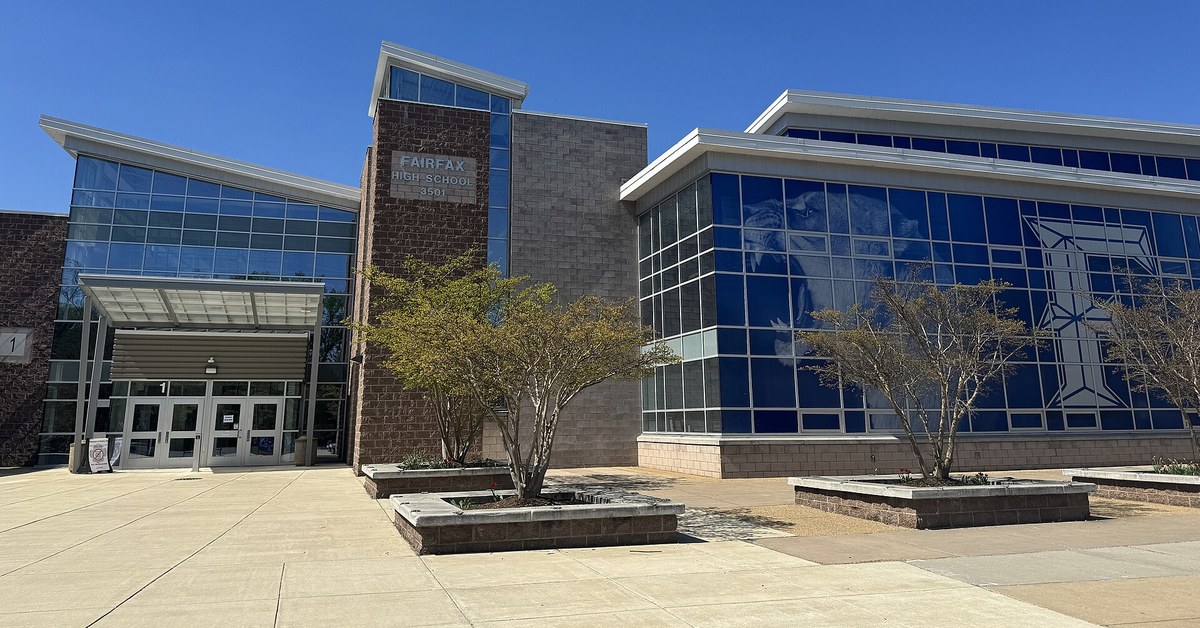
City voters authorized the tax in the Nov. 3 general election, with nearly 56 percent voting yes, according to Virginia Department of Elections data cited in the report. The tax is projected to bring in $13.5 million a year to help cover bond payments for school construction projects and long-term maintenance — borrowing voters approved in a 2024 school referendum.
Virginia’s General Assembly gave local governments the authority to levy such a tax earlier this year, and Northern Virginia jurisdictions may also spend the revenue on transportation. Fairfax City’s draft ordinance allows that, but council members have indicated schools come first, given the city’s projected 20-year payback on the school loans.
“It’s always sort of been the plan to utilize … the 1% … to offset schools.”
Martinez added that it “will always be Council’s prerogative to amend or adapt as necessary,” but that using the additional 1% for schools “would make the most financial sense, given our current financial picture,” for the foreseeable future.
The tax would not apply to prescriptions, groceries and some hygiene products, according to city staff.
Mayor Catherine Read said Fairfax was the only Northern Virginia jurisdiction to put the question to voters this year, because the transportation option reached the region as a last-minute addition by the General Assembly. “We have always been consistent in speaking about the 1% being for our schools to offset the cost of the school bond referendum that was voted on by the voters in this city,” Read said. “And so, to that end, it was a curveball to get the transportation piece.”
Read also noted that future councils will decide whether the money goes to schools or transportation, or whether the tax should be reduced at some point.