

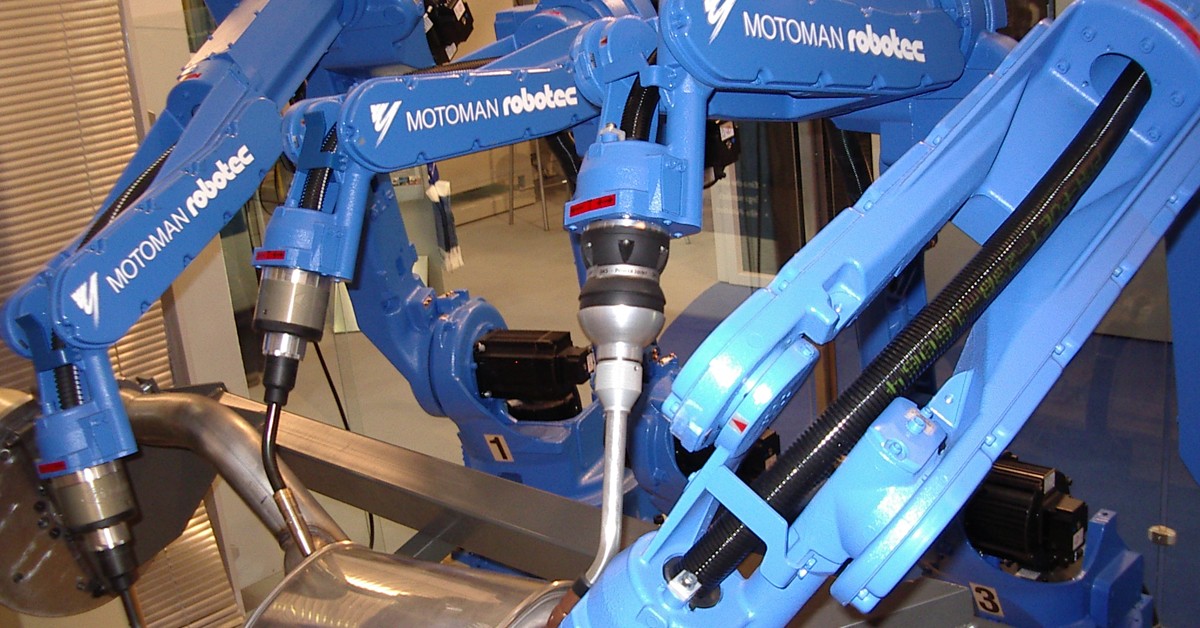
WASHINGTON — The tariffs, for now, are not coming.
President Donald Trump signed a proclamation on Wednesday that calls robotics and industrial machinery imports a national security threat, the White House said. Instead of duties, he ordered talks.
Commerce Secretary Howard Lutnick and U.S. Trade Representative Jamieson Greer are to negotiate with trading partners, jointly, the White House said in its fact sheet. Any country that ships these goods to the United States could be on the other side of the table.
Bloomberg reported the two men have 180 days to report back on progress. What happens after that is left open. Tariffs are one option. So are quotas and fees.
The legal hook is Section 232 of the Trade Expansion Act of 1962. Commerce investigated the imports first and told the president they were arriving in quantities, and under circumstances, that threaten to impair national security. Trump concurred, the fact sheet said.
Why robots? Almost every modern factory uses them, and so does the military. Nearly all modern defense systems and critical infrastructure sectors need robotics or industrial machinery, according to the White House.
American production does not keep up. The country consumes more of this equipment than it makes, and capacity at home cannot cover the growing demand, the fact sheet said. For most types of robotics and industrial machinery, buyers here depend on imports.
That dependence is the risk the administration says it wants to bargain down. Leave it alone, the White House argued, and the industrial base stays exposed, along with long-term competitiveness in a sector it called one of the country’s most important.
The inquiry itself dates to September 2025, Reuters reported. On the list were programmable computer-controlled mechanical systems and industrial stamping and pressing machines. Machine tools for cutting, welding and handling workpieces were covered too, as were autoclaves, industrial ovens and laser and water-cutting tools, Reuters reported.
Section 232 is familiar ground for this president. Steel and aluminum came first, in his first term. The list has since grown to copper, cars, trucks, lumber, semiconductors, pharmaceuticals, polysilicon and drones, the White House said.
Nothing changes at the border today. Commerce will keep watching the import flow, and Lutnick is to flag anything that, in his judgment, calls for further presidential action, the fact sheet said.
Have something to promote?
Bring your business, services or event to our readers.