
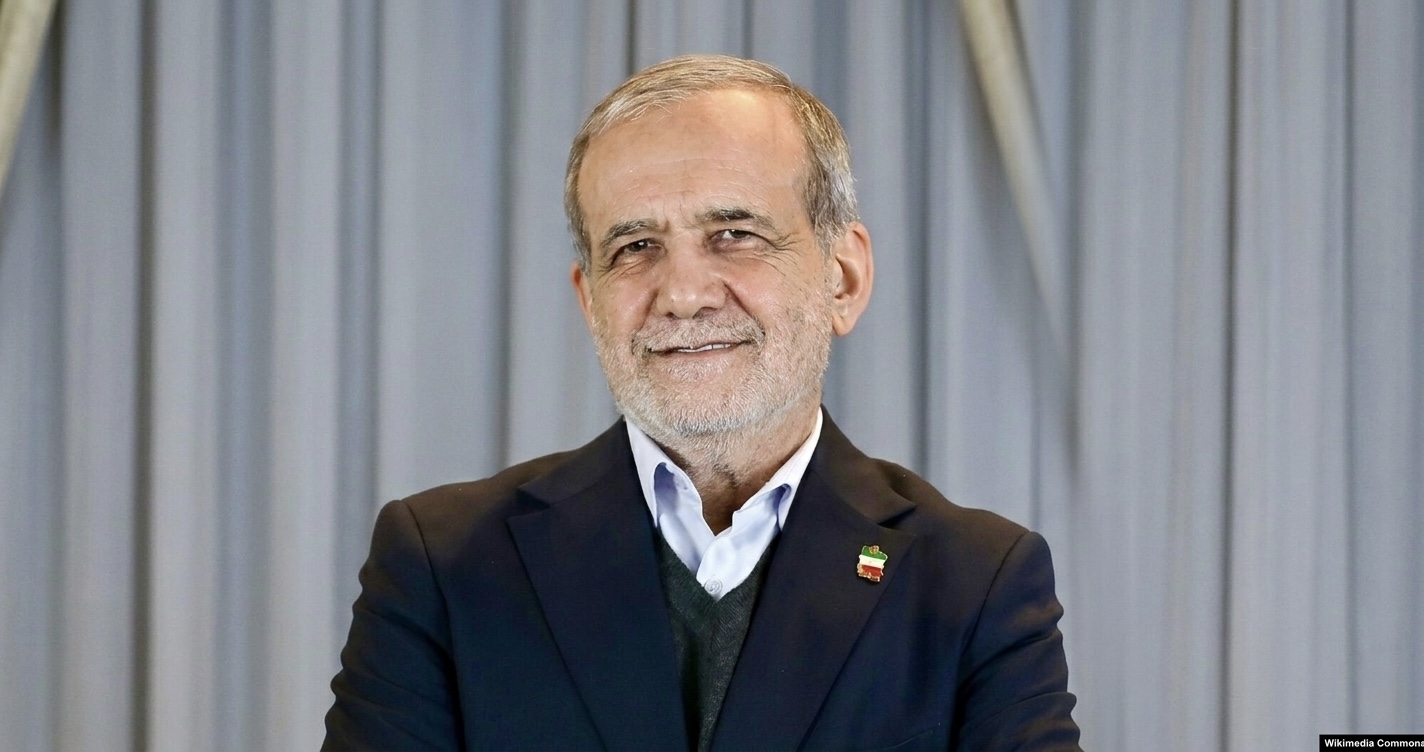
Iranian President Masoud Pezeshkian has issued an open letter to the people of the United States, urging them to look beyond what he called “a flood of distortions and manufactured narratives” and question whose interests are being served by the conflict with Iran.
In the letter, posted in English on X account on Wednesday, Pezeshkian questioned whether President Donald Trump’s “America First” policy is “truly among the priorities of the U.S. government today.”
“Exactly which of the American people’s interests are truly being served by this war? Was there any objective threat from Iran to justify such behavior?” Pezeshkian wrote.
He linked that question to the human cost of the conflict, asking whether “the massacre of innocent children, the destruction of cancer-treatment pharmaceutical facilities, or boasting about bombing a country ‘back to the stone ages’” served any purpose other than further damaging the United States’ global standing.
Pezeshkian also rejected portrayals of Iran as a threat. He wrote that Iran, in its modern history, had never chosen aggression, even “despite possessing military superiority over many of its neighbors,” and said Tehran’s actions were a “measured response grounded in legitimate self-defense.”
The Iranian president also argued that Washington had entered the conflict as a proxy for Israel. He accused Israel of trying to shift the burden of its confrontation with Iran onto the region and the United States.
In the letter, Pezeshkian said Iran had twice been attacked while its negotiators were engaged in multilateral nuclear talks. He said strikes on Iran’s energy and industrial infrastructure directly harmed the Iranian people and warned that such attacks would have consequences beyond Iran’s borders.
“They generate instability, increase human and economic costs, and perpetuate cycles of tension, planting seeds of resentment that will endure for years,” he wrote. “This is not a demonstration of strength; it is a sign of strategic bewilderment and an inability to achieve a sustainable solution.”
The letter also revisited long-running tensions between Tehran and Washington, including the 1953 coup in Iran, U.S. support for the Shah, backing for Saddam Hussein during the 1980s war, and years of sanctions and military pressure. Pezeshkian ended by urging Americans to look past official narratives and weigh the cost of continued confrontation against the alternative of engagement.
Have something to promote?
Bring your business, services or event to our readers.