
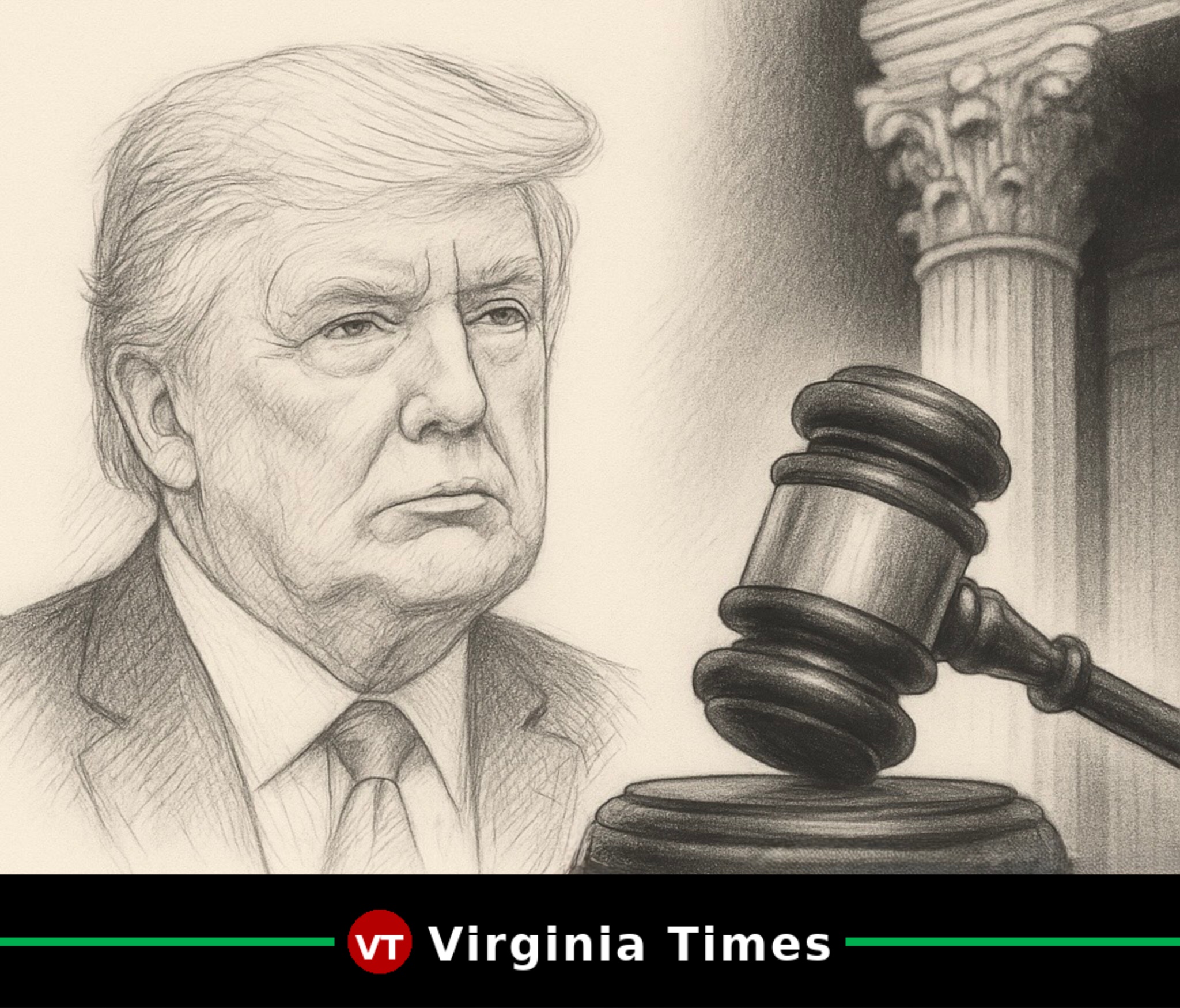
The Supreme Court on Friday ruled that President Donald Trump cannot use the International Emergency Economic Powers Act to impose sweeping global tariffs, striking down the legal basis for one of the broadest parts of his second-term trade agenda. The 6-3 decision holds that IEEPA does not authorize the president to impose tariffs, with Chief Justice John Roberts writing the Court’s majority opinion.
Although the Supreme Court’s ruling limits the powers of the President to institute emergency powers tariffs, it does not eliminate the other powers available to the President to institute tariffs under other international trade laws. The Supreme Court ruling focused narrowly on IEEPA, saying that Congress did not clearly authorize the president to impose tariffs.
The Supreme Court ruling came in response to Trump’s use of Supreme Court IEEPA to impose tariffs in national emergencies declared by the president regarding issues such as trade deficits and drug trafficking, according to the Supreme Court syllabus, which includes duties imposed on imports of goods from Canada, Mexico, and China, as well as “reciprocal” tariffs that set a base rate for all countries in the world except a few nations, such as Canada, Mexico, and China, while raising the rate for dozens of countries.
The Supreme Court ruling said that Congress clearly had the authority to impose duties and taxes under the Constitution, but that IEEPA’s language regarding the president’s ability to “regulate” importation did not clearly authorize him to impose such taxes. The Supreme Court ruling also noted that no president had ever before used IEEPA to impose such tariffs.
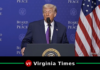
Trump responded in a lengthy post on Truth Social, calling the ruling “ridiculous” and arguing that the Court’s logic was “nonsensical.” He wrote that the opinion bars him from charging “even $1 DOLLAR” under IEEPA while still allowing him to cut off trade, impose embargoes, and license imports. Trump also argued that the decision, in his view, makes presidential trade authority “more powerful and crystal clear” by, in his telling, confirming that other tools remain available.
Trump quoted Justice Brett Kavanaugh’s dissent, including Kavanaugh’s view that the ruling “might not substantially constrain a President’s ability to order tariffs going forward,” and cited other statutes Kavanaugh listed, including Section 232 of the Trade Expansion Act, sections of the Trade Act of 1974, and the Tariff Act of 1930. Trump then thanked Kavanaugh by name in the post. Kavanaugh dissented with Justices Clarence Thomas and Samuel Alito.
In the same statement, Trump said all existing Section 232 “National Security TARIFFS” and current Section 301 tariffs would “remain in place, and in full force and effect.” He added, “Today I will sign an Order to impose a 10% GLOBAL TARIFF, under Section 122,” and pledged additional Section 301 and other investigations into what he called unfair trade practices.
The decision leaves major questions unresolved, including how and whether importers will receive refunds for tariffs already paid under the IEEPA orders. It also sets up the next phase of legal and economic battles over how far the White House can go under other trade statutes, including any new Section 122 action Trump says he will pursue.

A global media for the latest news, entertainment, music fashion, and more.